Massimo and Francesca Valsecchi (An Interview)
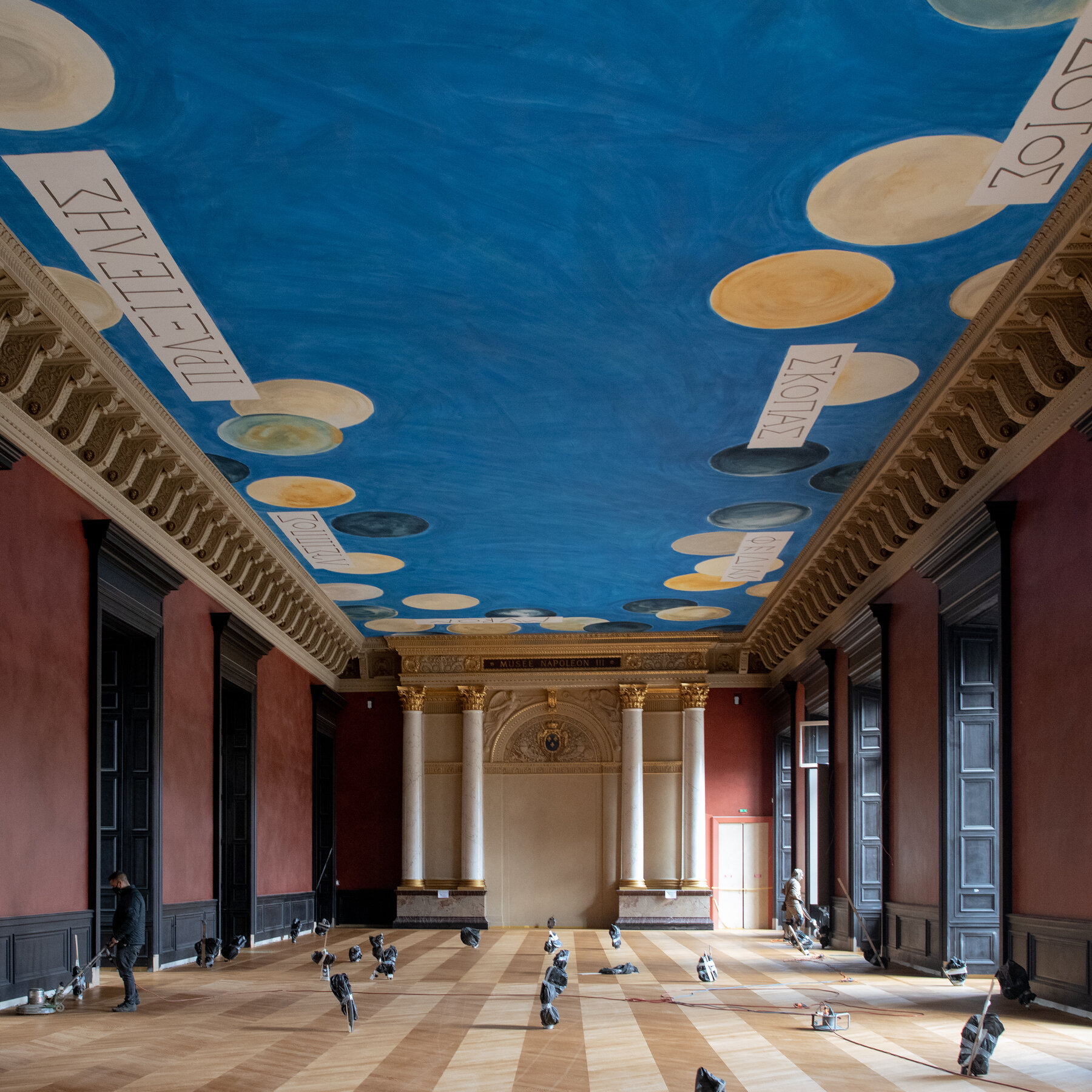
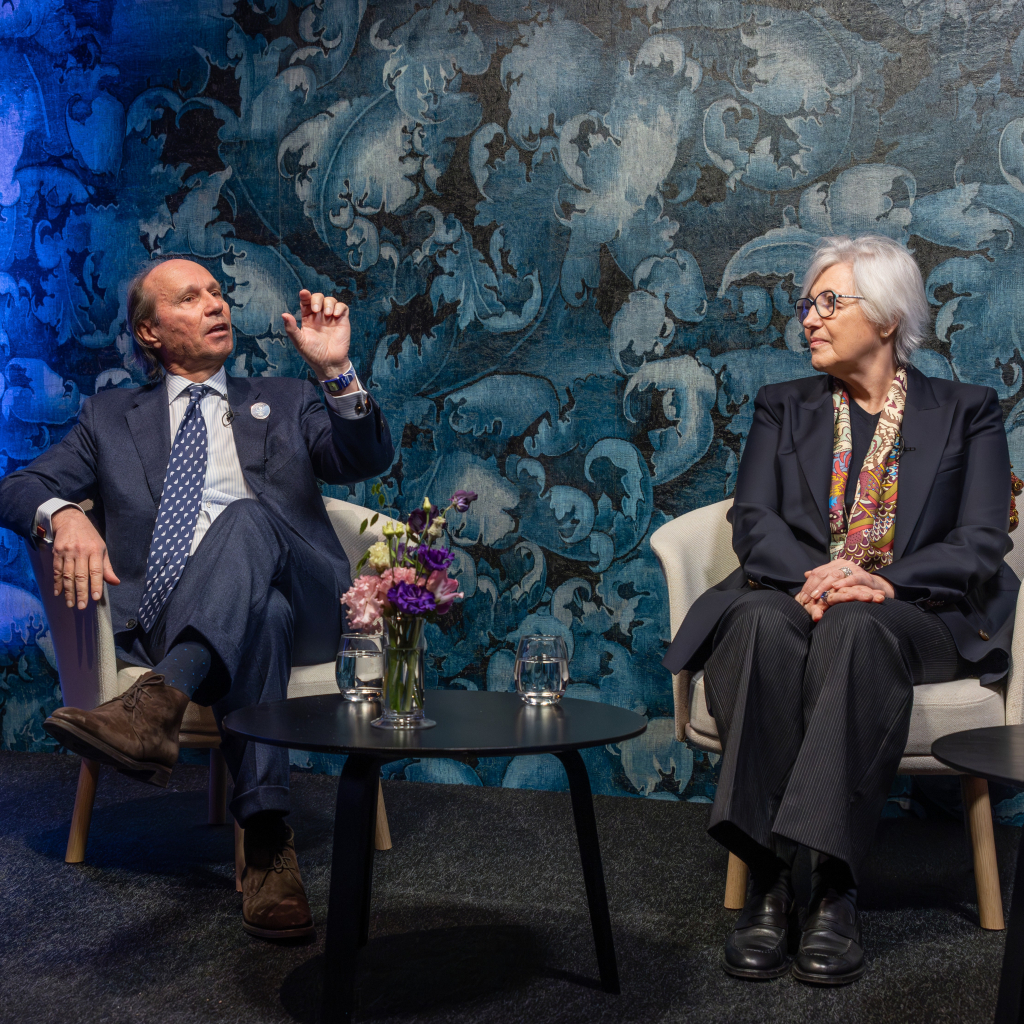
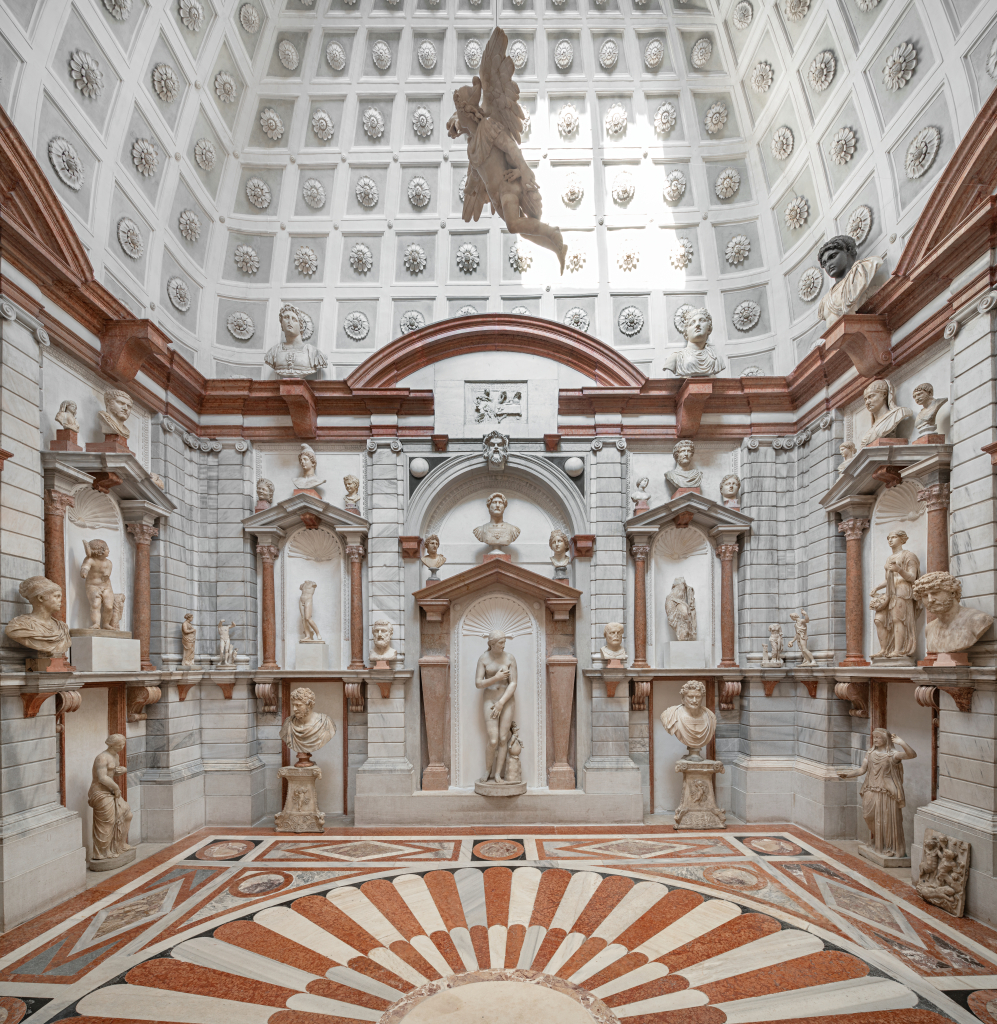
We met Massimo and Francesca Valsecchi, who in Palermo have transformed Palazzo Butera into a place where past and present are in perpetual conversation.
di Elena Caslini
We met Massimo and Francesca Valsecchi, who in Palermo have transformed Palazzo Butera into a place where past and present are in perpetual conversation.
di Elena Caslini
We sat down with with Guicciardo Sassoli de' Bianchi Strozzi, founder of Nuova Artemarea, a non-profit organisation promoting Italian cultural heritage abroad, in partnership with Italian Government institutions and major private cultural organisations.
di Stefano Pirovano
**Abstract:** With the Italian Senate's approval of the "Italia in Scena" bill on 11 March 2026, the free-export threshold for works of art rises from €13,500 to €50,000, with self-declarations valid for five years instead of six months. The reform also restricts the abuse of cultural interest notifications for works by foreign artists, sets a binding ninety-day deadline for loan requests, and introduces temporary import certificates (CAS/CAI). Looking ahead, MP Federico Mollicone announced at Tefaf Maastricht the forthcoming introduction of a digital passport for works of art — a certification tool covering traceability, authenticity and provenance — designed to facilitate their free circulation across Europe.
di Antonio Pepe
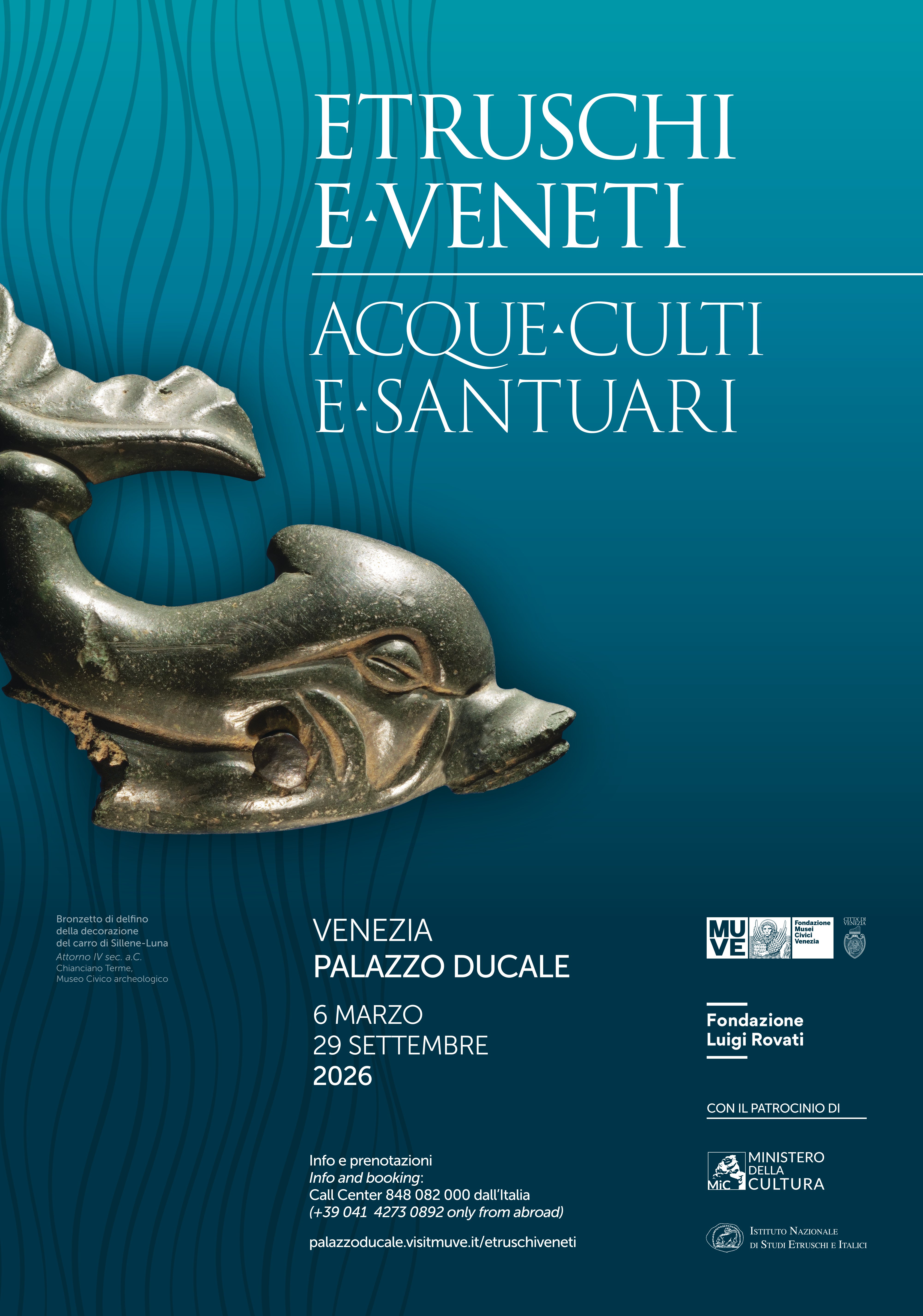
We set down with Giovanna Forlanelli, who together with her husband Lucio Rovati is helping to change the way culture is made in Italy, with an open, dynamic, advanced museum, connected with public institutions, and capable of bringing Etruscan art back into the present of international debate.
di Stefano Pirovano
The philosophy of art conservation is a constantly evolving field; we explored it with the Pinacoteca di Brera, Open Care, and the Opificio delle Pietre Dure, to discover how rapidly the process of change is accelerating.
di Guido Furbesco
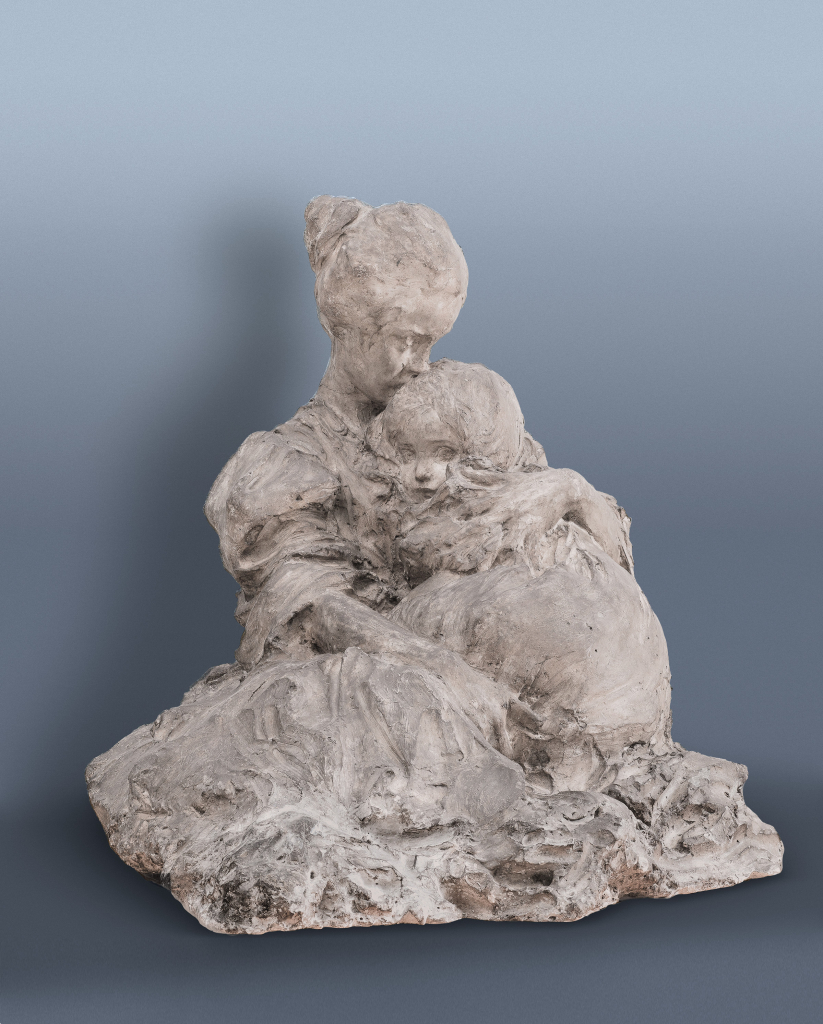
Born in 1866 in Intra on Lake Maggiore, Paul Troubetzkoy grew up among aristocratic villas, artists, and musicians. The painter Daniele Ranzoni played a decisive role in his artistic formation, introducing him to the Milanese Scapigliatura, which shaped his sculptural language in a distinctly anti-academic direction.
di Omar Cucciniello*
The profession of antiquarianism is more than buying and selling art—it is a stewardship of time, skill, and cultural memory. This article explores how Italian art galleries navigate generational succession, transferring expertise and passion from one generation to the next, balancing tradition and innovation to preserve both artworks and legacy in a changing market.
di Stefano Pirovano
A meeting with Toto Bergamo Rossi, director of Venetian Heritage, who is reshaping the rules of Italian cultural philanthropy.
di Marta Galli
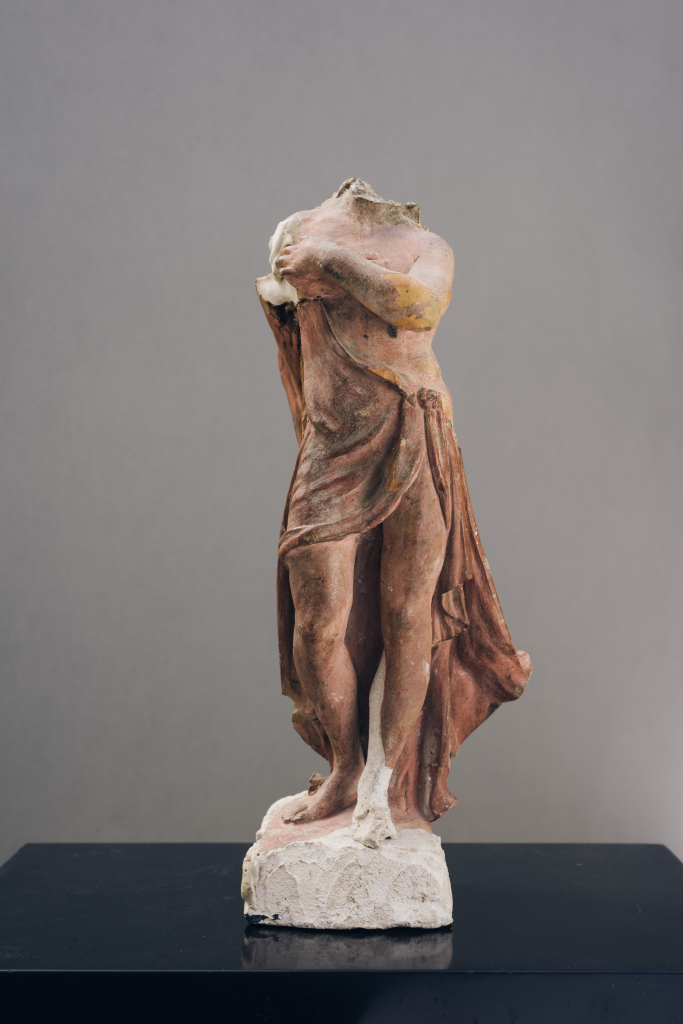
One of the two angels mentioned by Antonio Canova’s biographer, Iseppo Falier, has been found. The sculptor was only thirteen years old.
di Giuseppe Sava
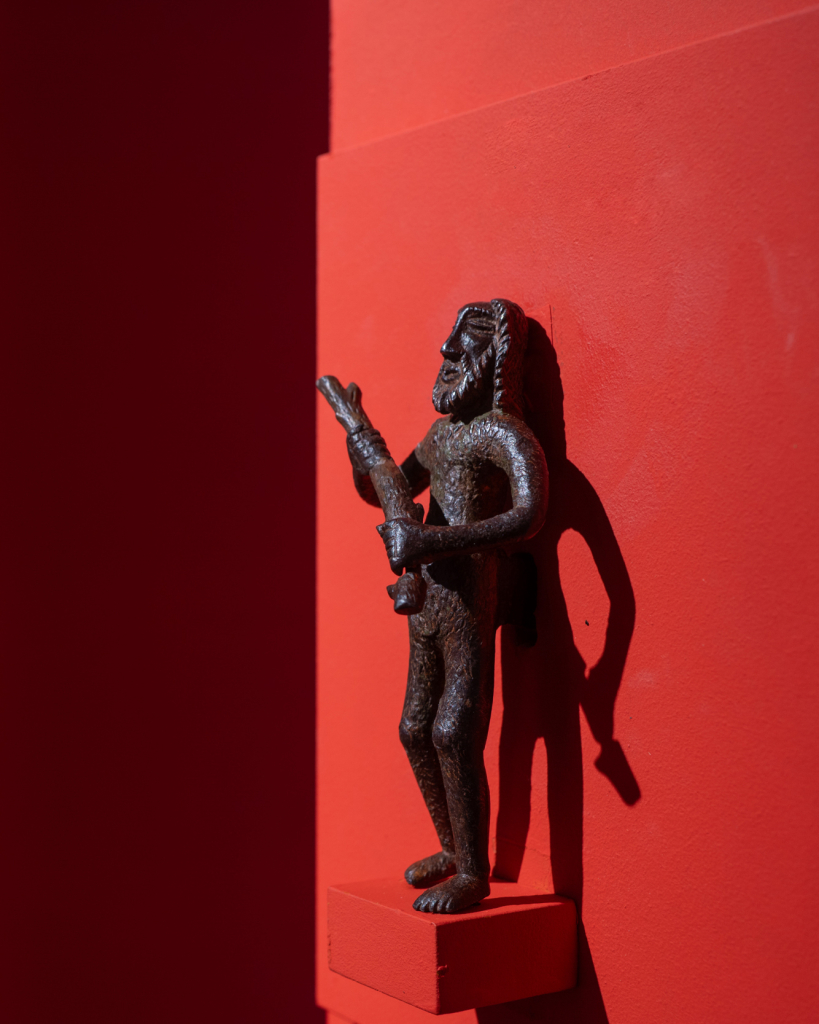
Alessandro Cesati’s collection of door knockers is unveiled at Franco Maria Ricci’s Labirinto del Masone, where losing oneself becomes a way of being found.
di Marta Galli
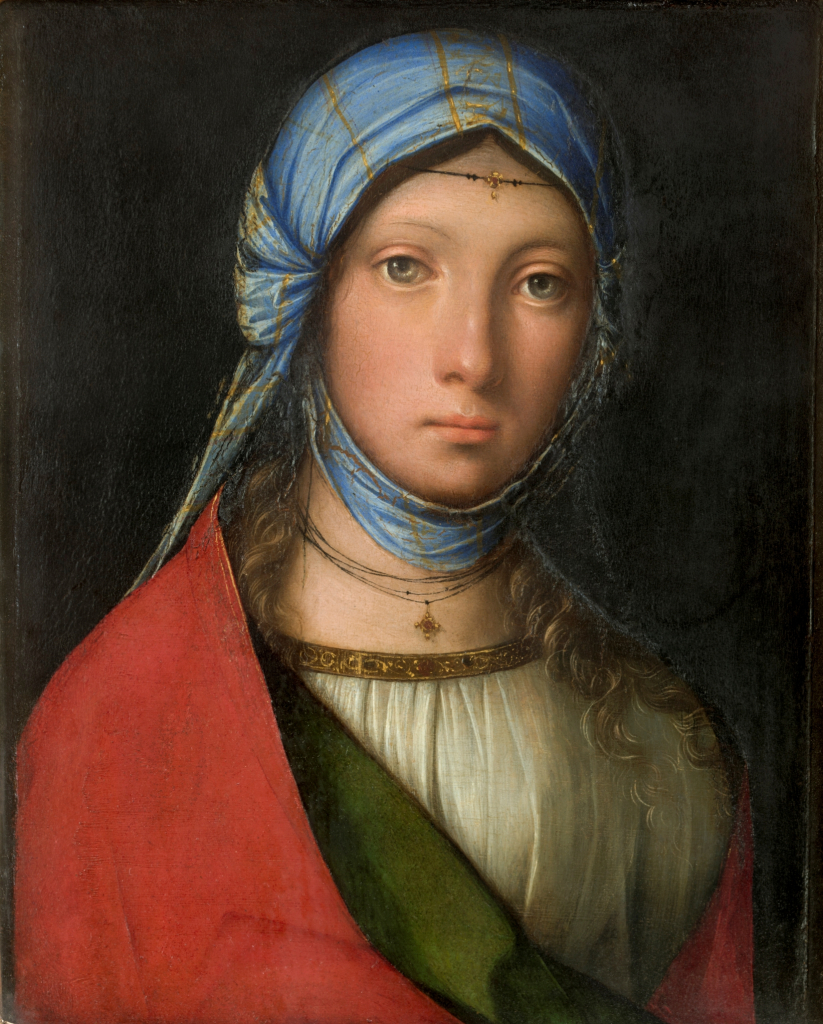
With Boccaccio Boccaccino, a reflection on the virtuous nature of the market when it intersects with museum conservation and acquisition policies.
di Francesco Ceretti
Can we consider Christian Levett a serial collector? Probably yes, according to what he told us about himself.
di Elena Caslini
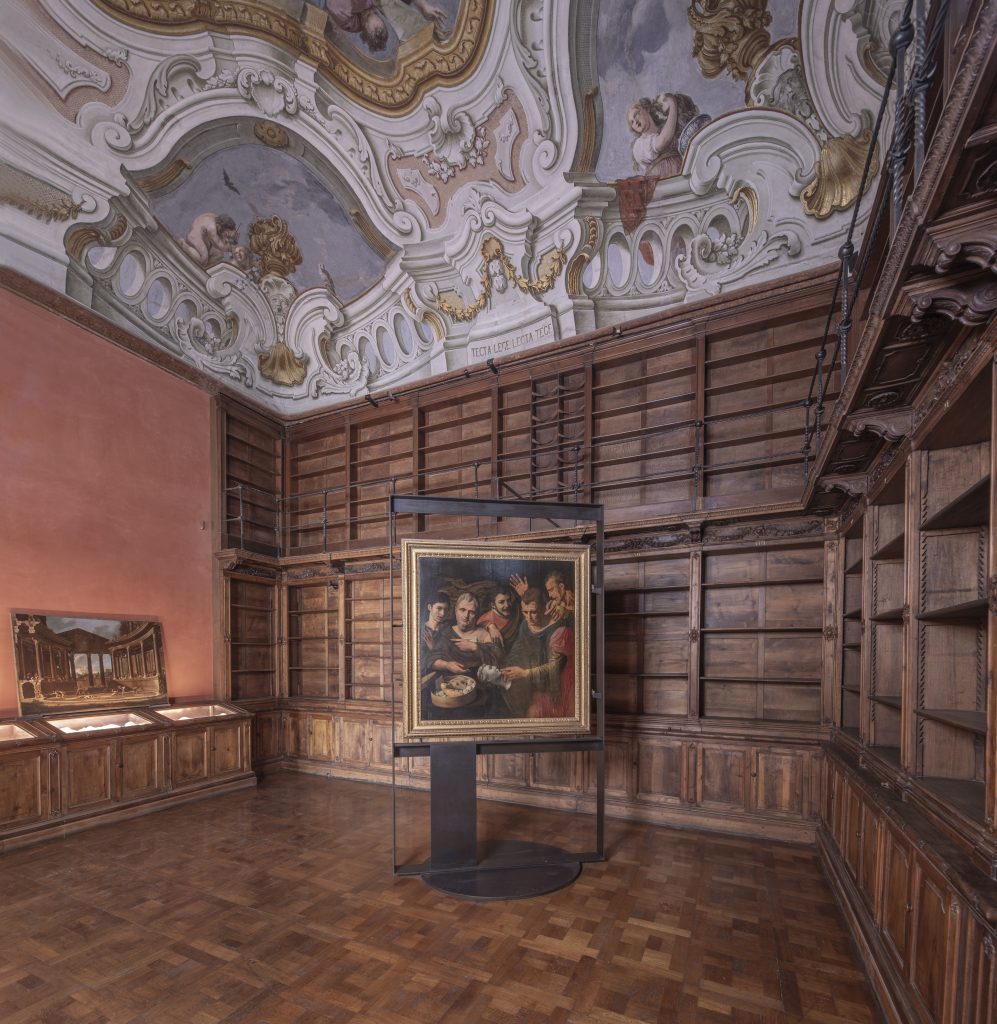
The first antique fair to take place in a public museum is a story of balance and form, marking the beginning of a new partnership.
di Antonio Pepe