Francesco Ruschi’s Nosce te ipsum
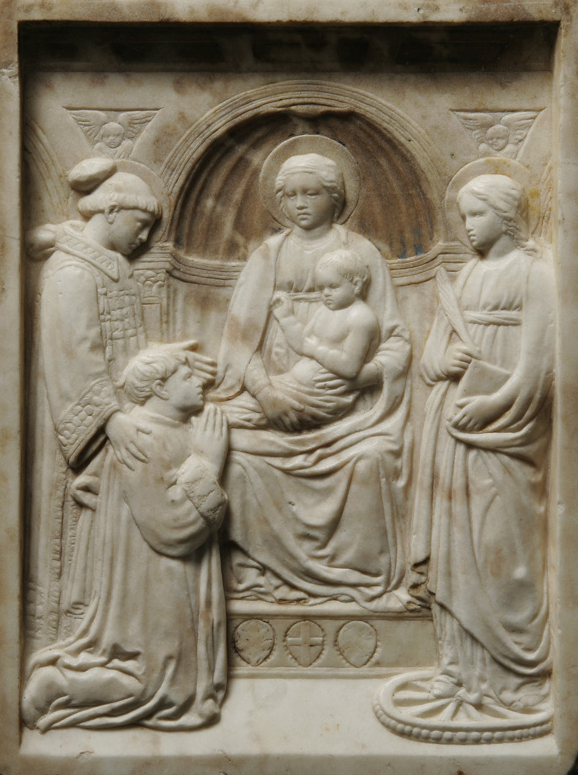
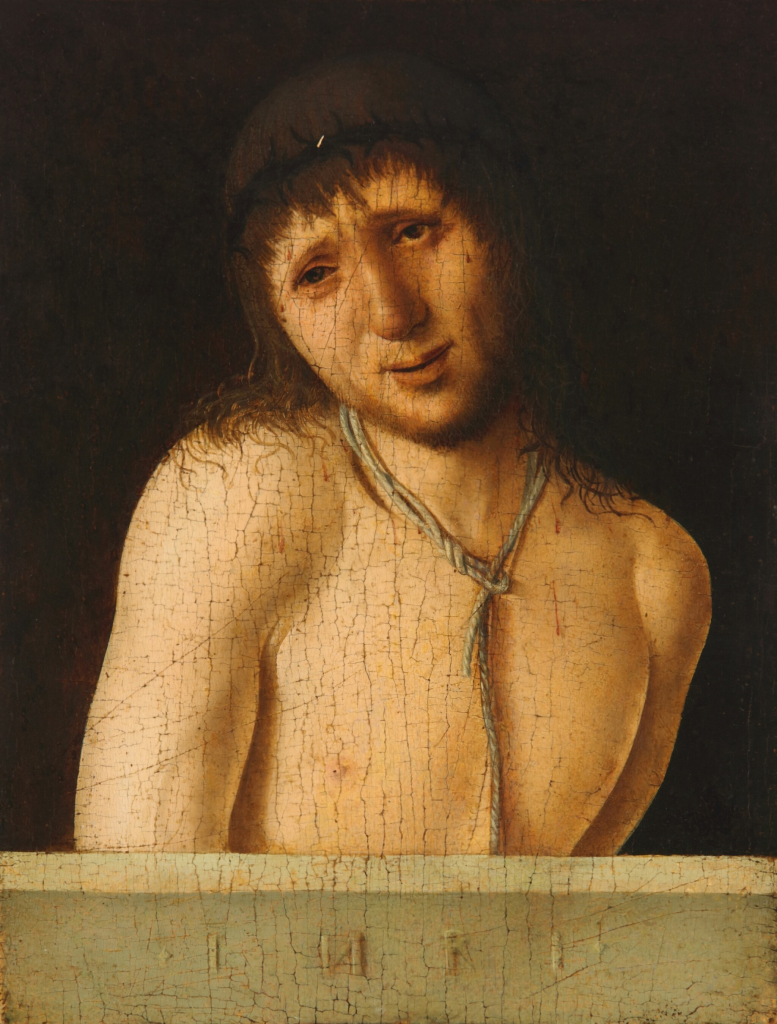
At BIAF 2026, Pietro Cantore presents Nosce te ipsum by Francesco Ruschi, the subject of the monograph recently published by Campisano.
di Martina Leone*
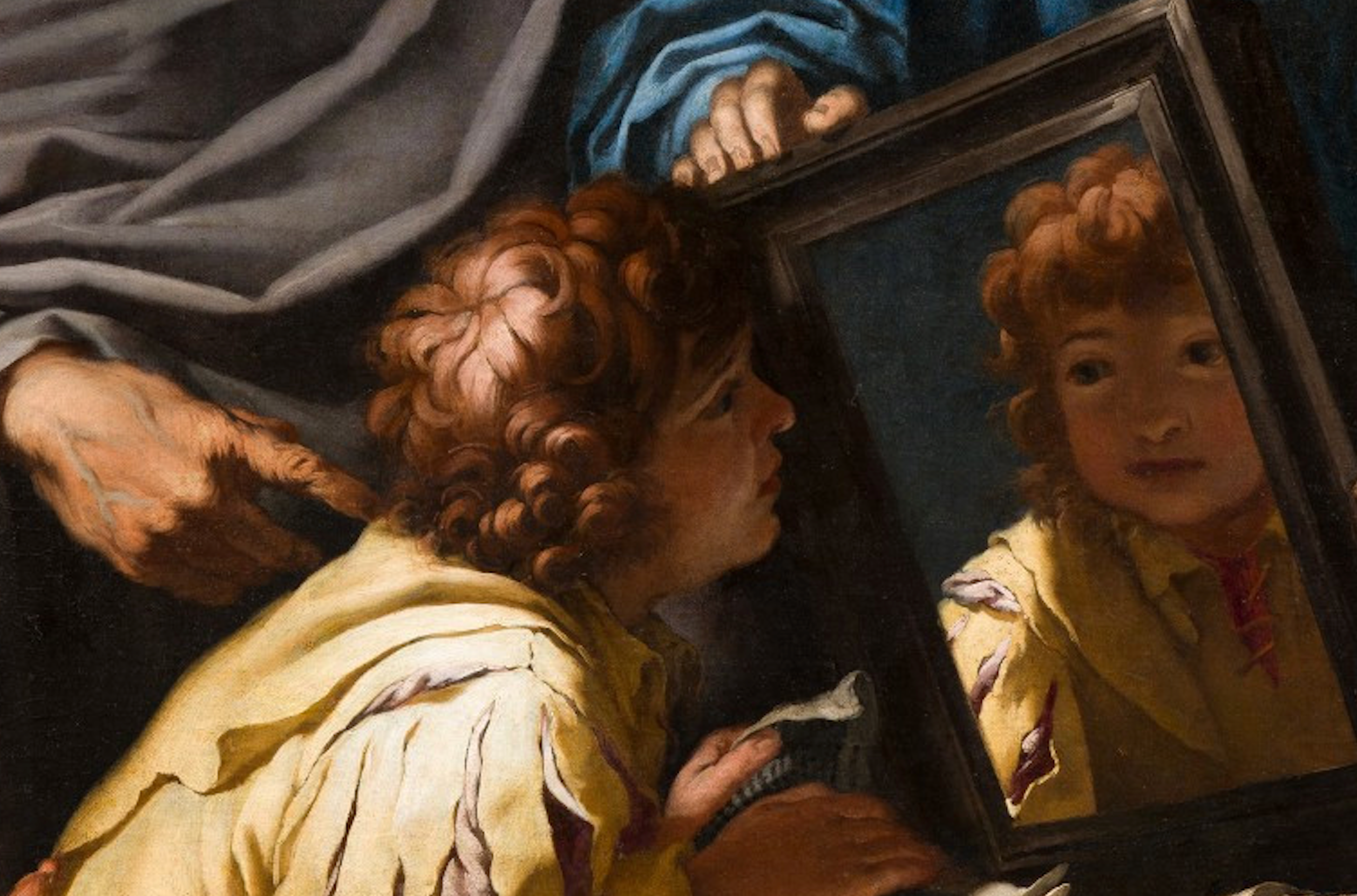
At BIAF 2026, Pietro Cantore presents Nosce te ipsum by Francesco Ruschi, the subject of the monograph recently published by Campisano.
di Martina Leone*
She was a woman in an age when there were not so many women in the antiques trade, but like her few female colleagues she stood out for style and energy.
di Bruno Botticelli
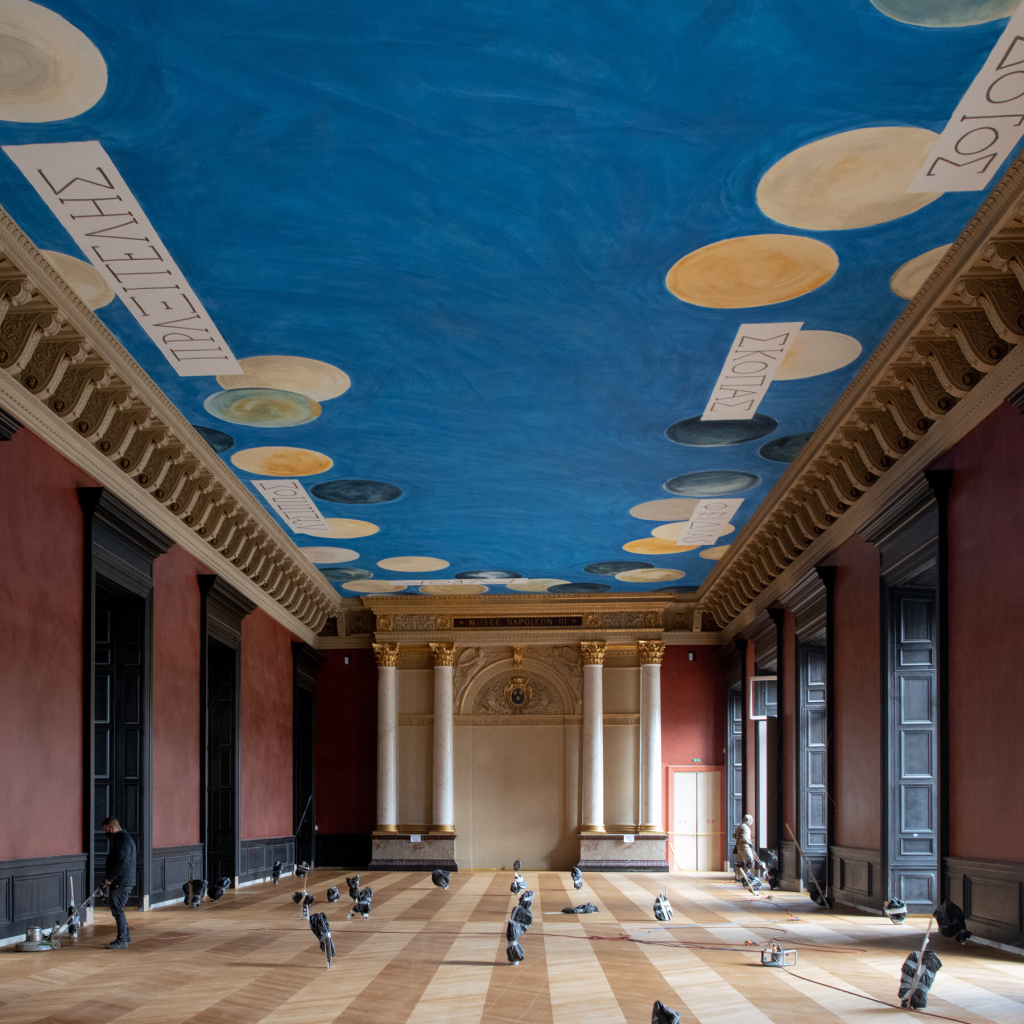
The presence of contemporary art in historic museums has now become a constant, both in Europe and beyond. We explored how exhibition practices are evolving to understand when, and under what conditions, this integration creates genuine value.
di Rita Selvaggio
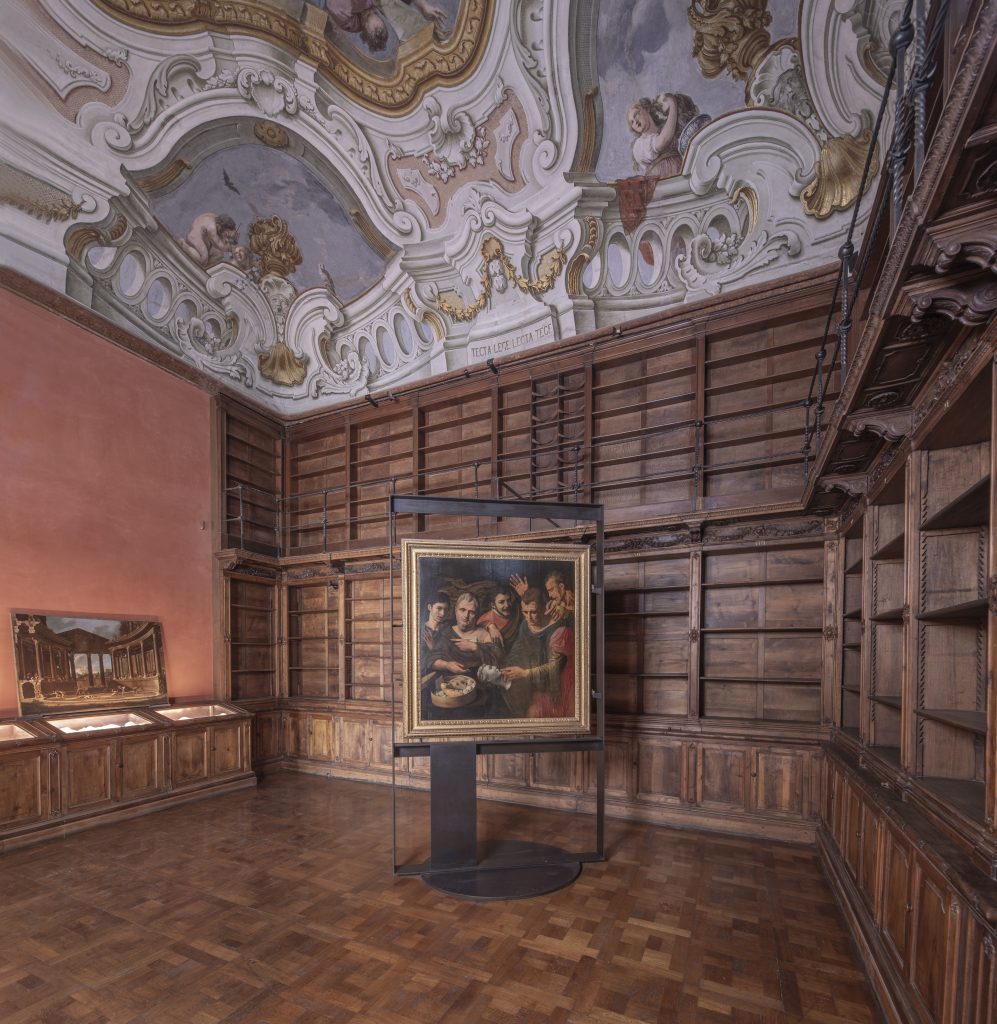
We met Massimo and Francesca Valsecchi, who in Palermo have transformed Palazzo Butera into a place where past and present are in perpetual conversation.
di Elena Caslini
We sat down with with Guicciardo Sassoli de' Bianchi Strozzi, founder of Nuova Artemarea, a non-profit organisation promoting Italian cultural heritage abroad, in partnership with Italian Government institutions and major private cultural organisations.
di Stefano Pirovano
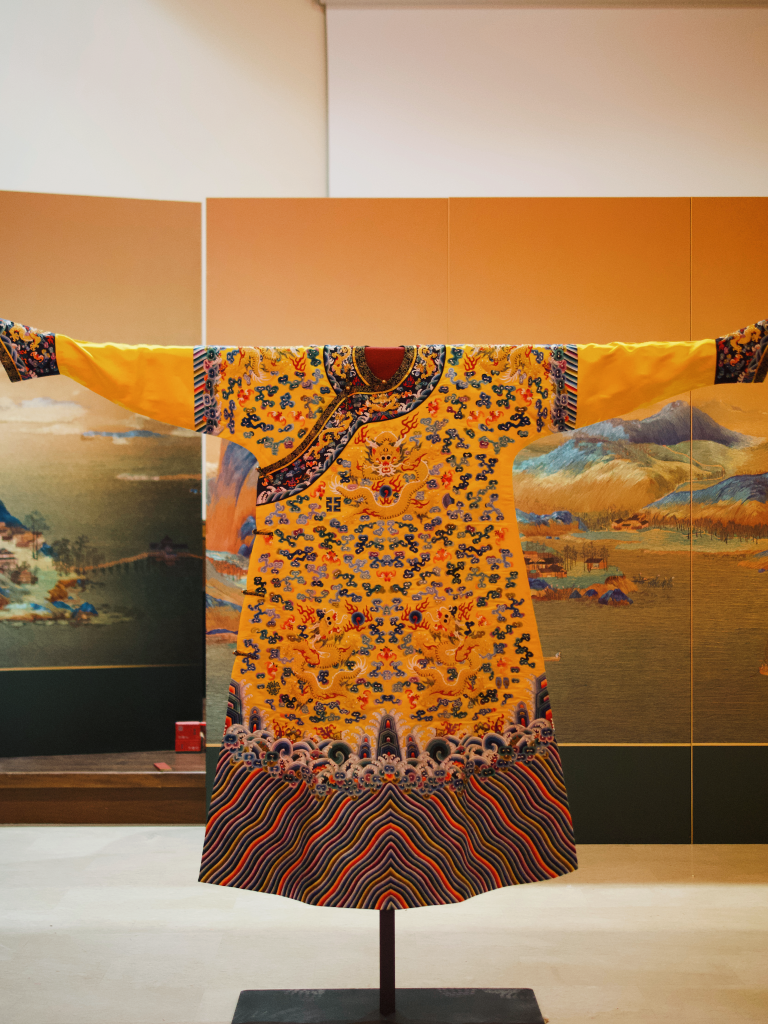
**Abstract:** With the Italian Senate's approval of the "Italia in Scena" bill on 11 March 2026, the free-export threshold for works of art rises from €13,500 to €50,000, with self-declarations valid for five years instead of six months. The reform also restricts the abuse of cultural interest notifications for works by foreign artists, sets a binding ninety-day deadline for loan requests, and introduces temporary import certificates (CAS/CAI). Looking ahead, MP Federico Mollicone announced at Tefaf Maastricht the forthcoming introduction of a digital passport for works of art — a certification tool covering traceability, authenticity and provenance — designed to facilitate their free circulation across Europe.
di Antonio Pepe
We set down with Giovanna Forlanelli, who together with her husband Lucio Rovati is helping to change the way culture is made in Italy, with an open, dynamic, advanced museum, connected with public institutions, and capable of bringing Etruscan art back into the present of international debate.
di Stefano Pirovano