
Cultural diplomacy functions as a complex system in which artistic and art-historical planning intersects with institutional action, generating channels of interlocution between nations that transcend mere tourism promotion.
The foundational mechanism involves bringing together—within a dialogical and comparative framework—a wide range of projects specifically conceived for the international arena in the fields of art (encompassing exhibitions, research, and publications), design, archaeology, architecture, the art of restoration, music,theatre, and the promotion of academic relations, language, and cuisine. This amounts to the promotion of Italian excellence across multiple sectors, aimed at strengthening the Sistema Paese (the Italian national system as a whole), with the dual purpose of advancing shared interests and fostering mutual understanding.
These projects are presented to host countries in a way that makes them accessible and meaningful not only to general audiences but also to local academic and scientific communities. At the exhibition level, particularly within the sphere of art exhibitions, this stratified approach ensures that dialogue occurs simultaneously across multiple tiers: the , the institutional, and the scientific. The efficacy of such a strategy is amplified when the cultural dimension is supported by a formal institutional apparatus. The involvement of the Ministry of Foreign Affairs and International Cooperation (MAECI), alongside the diplomatic-consular network of Embassies and Italian Cultural Institutes, transforms an exhibition into a politically relevant event in the highest sense of the term—namely, as an exercise in reciprocal soft power. Surrounding these manifestations, a series of collateral events—such as negotiations, agreements, and twinning initiatives—is activated, finding in culture a fertile ground for shared legitimization.
In the Italian landscape, alongside established institutions of excellence in the promotion of Italian culture—such as the Treccani Institute of the Italian Encyclopedia (founded in 1925), which has recently celebrated its first century as the nation’s cultural and documentary guide, or the Accademia Nazionale dei Lincei (founded in 1603), a high-culture institute dedicated to the development of the sciences—both of which are active in designing top-tier exhibitions often alongside State organs like MAECI and the Ministry of Culture, more agile entities also operate, such as non-profit associations and Third Sector Entities (ETS).Among the organisations working alongside Italian institutions abroad, we have had the opportunity to examine the work of Associazione Nuova Artemarea ETS in the planning, research, organisation, and curation of major exhibitions and catalogues. Operating in various countries (the People’s Republic of China, the United States, Spain, Latvia, and Lithuania) with offices in Bologna, Rome, and Beijing, the association is presided over by Guicciardo Sassoli de’ Bianchi Strozzi, whom we interview below.
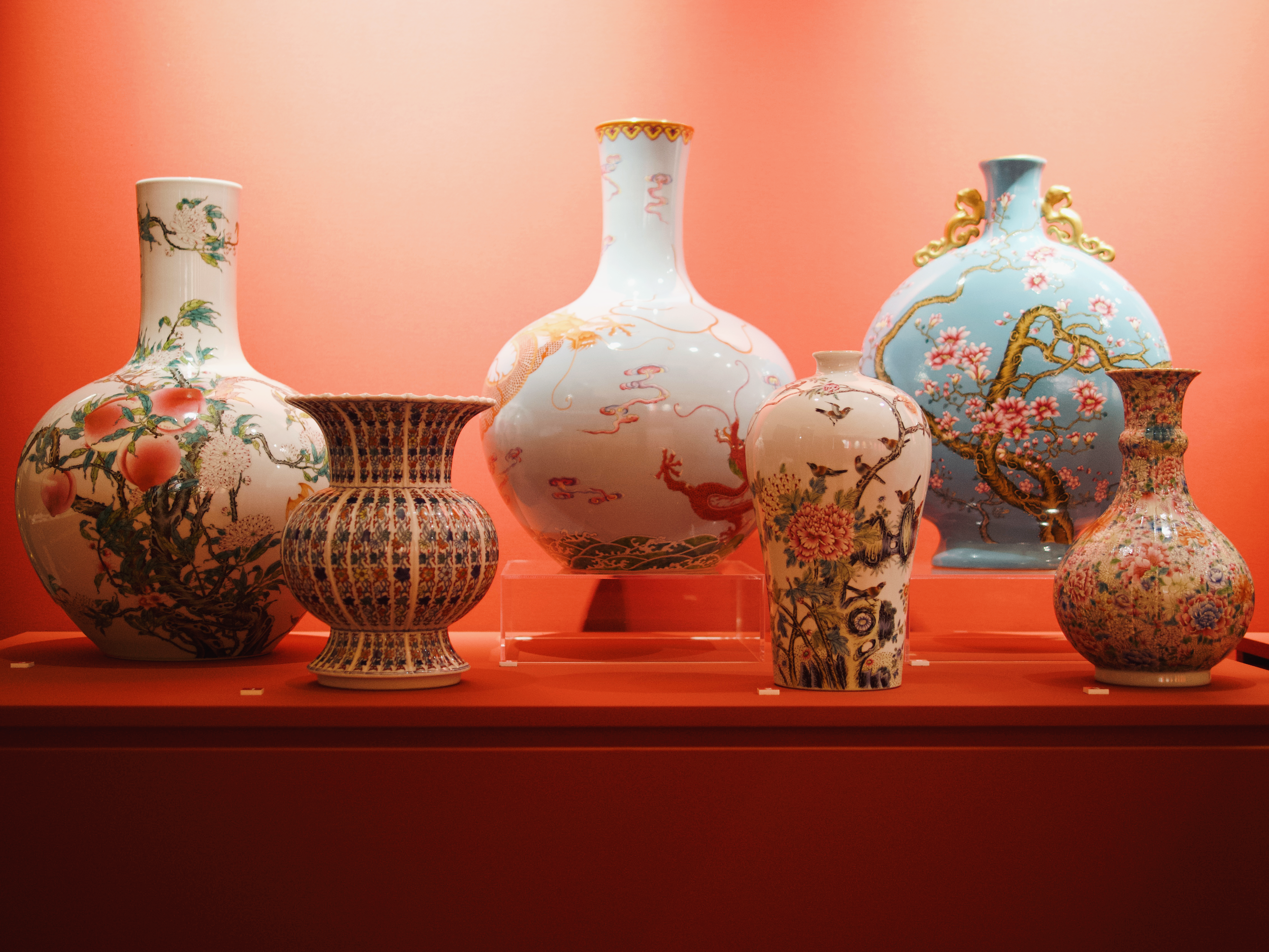
You preside over Nuova Artemarea ETS, an association active in several countries with offices in Bologna, Rome, and Beijing. How did this entity come to be, and what concrete role does it play in Italian cultural diplomacy?
The activity of Nuova Artemarea (active since 2023) as an external consultant in scientific planning, organisation, and the coordination of exhibition projects—working alongside and on behalf of various Italian and foreign institutions, particularly the Italian Embassy and the Italian Cultural Institute in Beijing—has afforded a privileged vantage point on the context of diplomatic relations between Italy and China. These relations can be distilled into three key moments that concretely exemplify this model.
Let us begin with China, which represents Nuova Artemarea’s most significant field of action. During a period of diplomatic tension following the pandemic and the Silk Road issue, how was a cultural channel with Beijing successfully maintained?
The first instance dates back to the period immediately following China’s post-Covid reopening in the summer of 2023, during a delicate diplomatic phase following the impending decision for Italy’s withdrawal from the New Silk Road (Belt and Road Initiative) agreements, which the Belpaese had joined in 2019. The diplomatic approach—which aimed to rebuild bilateral relations on the basis of the “Global Strategic Partnership,” an agreement signed in 2004 that remained in force—advanced through the privileged channel of cultural diplomacy.
Thanks to the Italian Cultural Institute in Beijing, directed by Federico Roberto Antonelli, and the Embassy of Italy in the People’s Republic of China, the exhibition The Centenary Triptych: Leonardo 1919 – Raphael 1920 – Dante 1921 and Italian Ingenuity at the Origins of Made in Italy was organised in July 2023. Featuring over 300 works and art journals, it documented the early post-war reinterpretations in criticism and art of the great figures of Leonardo da Vinci, Raphael Sanzio, and Dante Alighieri, celebrating the centenaries of their deaths, which by a fortunate coincidence fell in consecutive years between 1919 and 1921. The exhibition—curated by Virginia Lapenta (conservator of Villa Farnesina) and myself—was first realized under the aegis of the Accademia Nazionale dei Lincei in Rome in 2021. It was then reimagined, following a stage at the Museo della Grafica in Pisa, specifically for institutional circulation in China. This was made possible by loans of historical works from numerous private collections and reference galleries of the period, such as Studiolo Fine Art in Milan and 800/900 Art Studio in Lucca, which facilitated this cultural diplomacy project.
The exhibition aimed to illustrate to the public the Renaissance roots of Italian excellence in the early 20th century and how they laid the foundations for the contemporary era. It traced a thread of continuity and rupture connecting classical antiquity to the avant-gardes and the “returns to order” movements, running through art, graphic design, and into the contemporary era. It featured artists who looked toward the masters of the Trecento and the early Renaissance with diverse sensibilities: from the enfant prodige Romolo Romani, a signatory of the first Manifesto of Futurist Painters who studied Leonardo; to Mario Sironi, Giorgio de Chirico, Achille Funi, and Gino Severini, who engaged with Raphael; to Carrà, with his study of Giotto; and the countless depictions artists, illustrators, and directors dedicated to Dante in the early 1900s.
These artists, whether looking to the past to absorb its lessons or to move beyond it, channelled their energies across every field of the arts. Examples include Thayaht, who left numerous designs for what was effectively the first form of Italian design for the Monza Biennales of the 1920s, brought to China alongside poster and textile designs by Piero Persicalli, which were particularly appreciated by Academy scholars.
The inauguration in Beijing was attended by Riccardo Guariglia, Secretary General of the Ministry of Foreign Affairs and International Cooperation, whose presence underscored the distinctly diplomatic character of the initiative: quietly but authoritatively laying the groundwork for cultural dialogue with China, even as the formal announcement of Italy’s withdrawal from the agreements drew near—a step that was ultimately taken in December 2023. After Beijing, the exhibition toured to the Art Museum of the Sichuan Fine Art Institute in Chongqing—China’s most populous city—thanks to the Consulate General of Italy in Chongqing, and subsequently to the Tianjin Museum of Art, near Beijing, where an Italian Concession existed between 1901 and 1943.
In all three venues, the project enjoyed extensive coverage in Chinese and Italian national media. The institutional presentation of major exhibition projects—as exemplified here—was fully integrated into the diplomatic process, alongside parallel activities by Italian Cultural Institutes and the diplomatic network in China.
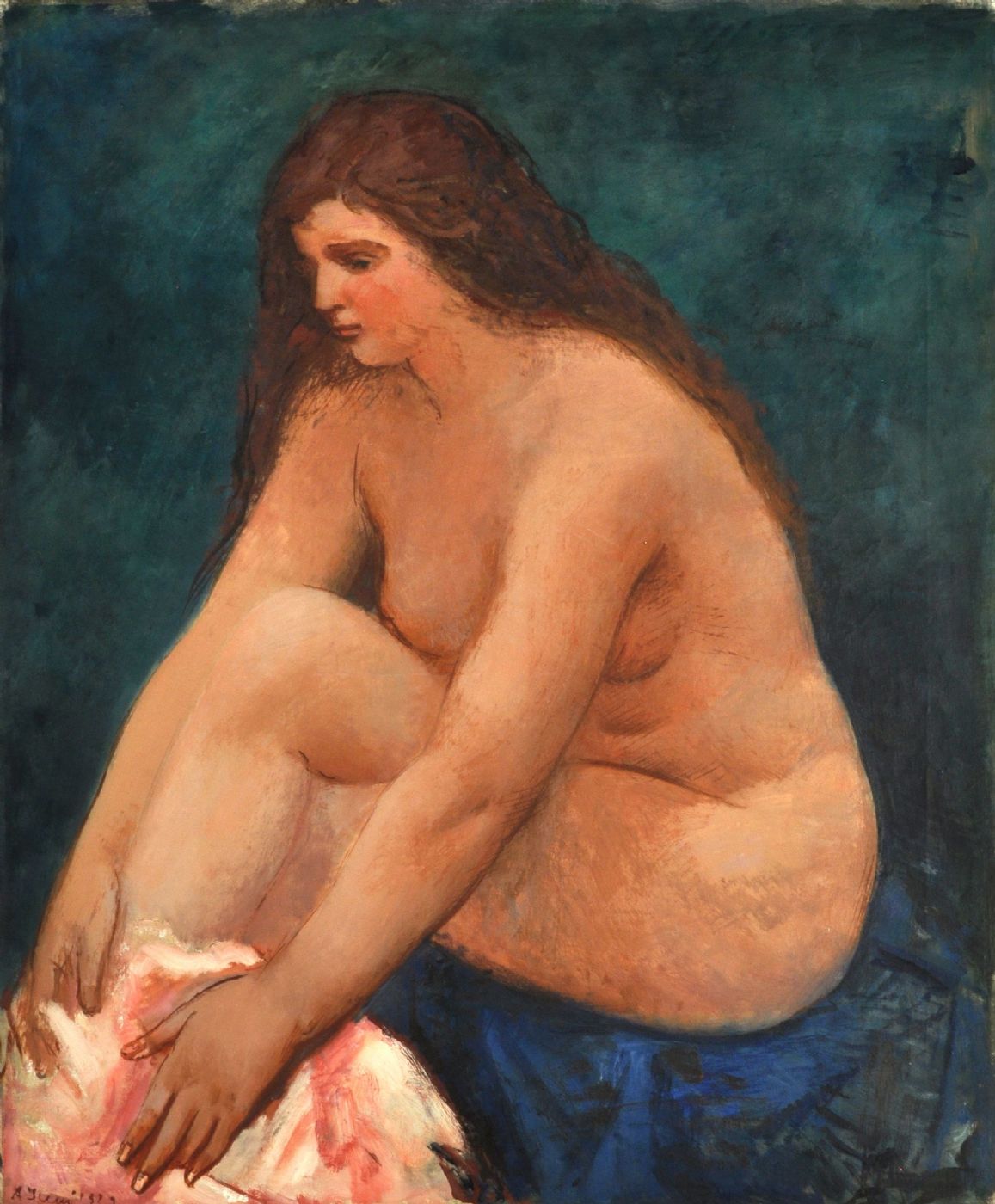
The second case you describe is the major exhibition on Marco Polo, which assumed extraordinary political significance. How does one build a project capable of involving fourteen Italian institutions and opening with the presence of both the Prime Minister and the President of the Republic?
The second case concerns the seventh centenary of the death of Marco Polo (1324-2024). The figure of the Venetian traveller, who features in Chinese school curricula as an integral part of national history, proved ideally suited to building a shared narrative of extraordinary symbolic power. The exhibition Journey of Knowledge: Marco Polo’s “Il Milione” and its Legacy between East and West—conceived from a project initiated by the Italian Ambassador to China, Massimo Ambrosetti, and supported by MAECI, the Embassy, and the Italian Cultural Institute in Beijing—was realized with the cooperation of fourteen Italian museums and institutions. These included the Museo Poldi Pezzoli in Milan, the Fondazione Musei Civici di Venezia, the Museo Stibbert in Florence, the Musei Civici di Bologna, the Galleria Nazionale (GNAMC), and the Wolfsoniana in Genoa, alongside the involvement of Chinese museums and universities. Coordination was provided by Treccani, with contributions from leading experts such as Professors of Romance Philology Eugenio Burgio and Antonio Montefusco (Ca’ Foscari University of Venice) and Andrea Nanetti (Nanyang University of Singapore), a specialist in the history of cartographic exchanges between East and West. The exhibition project was curated by Giovanna Fazzuoli (Treccani), Giorgia Cestaro (Italian Embassy in Beijing), myself (for IIC Beijing and Nuova Artemarea), and an international Italian-Chinese committee.
Through designs by Aldo Cibic Workshop, the project proposed a journey from Venice to China and back, spanning the 13th to the 20th centuries: from editions of Il Milione to a reproduction of Fra Mauro’s Mappa Mundi from the Biblioteca Marciana—a document of 15th-century Venetian geographical knowledge of China; from original documents of Venetian history (Promissioni dei Dogi, Mariegole delle Arti) to celebrated pictorial representations of the Serenissima from the Correr; from famous triptychs—including one by Bernardo Daddi from the Poldi Pezzoli—to navigational instruments, jewellery, metals, and textiles from the same Milanese museum, alongside sculptures, armour, and garments from the Museo Stibbert, all originating from the lands traversed by Marco Polo.
These were joined by two sculptures of St. Dominic and St. Francis by the Venetians Jacobello and Pierpaolo dalle Masegne (c. 1390), representing the two orders that opened the routes to the East, on loan from the Museo Civico Medievale in Bologna alongside Antiphonaries illuminated by Neri da Rimini and others. Also included were two celadon plates made in Longquan during the late Yuan era, which have been held in Bologna for centuries, bearing witness to the long history of commercial exchange between China and the Italian peninsula. Even Galileo Chini’s preparatory drawing for the stained glass of the Italian Municipality building in Tianjin, dedicated to Marco Polo, bears witness to the continuity of Sino-Italian relations in more recent times.
The exhibition immediately assumed primary political relevance. It was inaugurated in July 2024 by Prime Minister Giorgia Meloni and the Chinese Minister of Culture prior to her meeting with President Xi Jinping. Later, during its first stop in Beijing, it was visited by the President of the Italian Republic, Sergio Mattarella, further consolidating its diplomatic value. Concurrently with these visits, a three-year Action Plan (2024-2027) was signed between the two nations, and several agreements were launched, including those between Italian museum sites—such as Villa d’Este in Tivoli and the Summer Palace in Beijing. Furthermore, the Italy-China Cultural Forum was organised alongside official research meetings involving rectors of Italian universities and directors of major Italian museums, including Simone Verde of the Uffizi Galleries, and the establishment of a new chair of Italian culture at Peking University (Beida): the Agnelli Chair of Italian Culture, an endowed position formally launched by Romano Prodi, with a rotating holder appointed every six months.
After Beijing, the Marco Polo centenary exhibition was staged in late 2024 at the Sichuan Museum in Chengdu and, in the spring of 2025, at the China Academy of Art in Hangzhou—an institution of excellence that organised seminars and academic courses specifically designed to introduce local students to the exhibition methodologies, works, and lending Italian museums. Notably, at the same Hangzhou Academy, The Perfect Path: Hangzhou, Marco Polo’s “City of Heaven”—a Special Project of the Historical Archives of the Venice Biennale—had already been inaugurated in November 2024 in the presence of President Mattarella, with the support of the Italian Cultural Institute and the Consulate General of Italy in Shanghai.
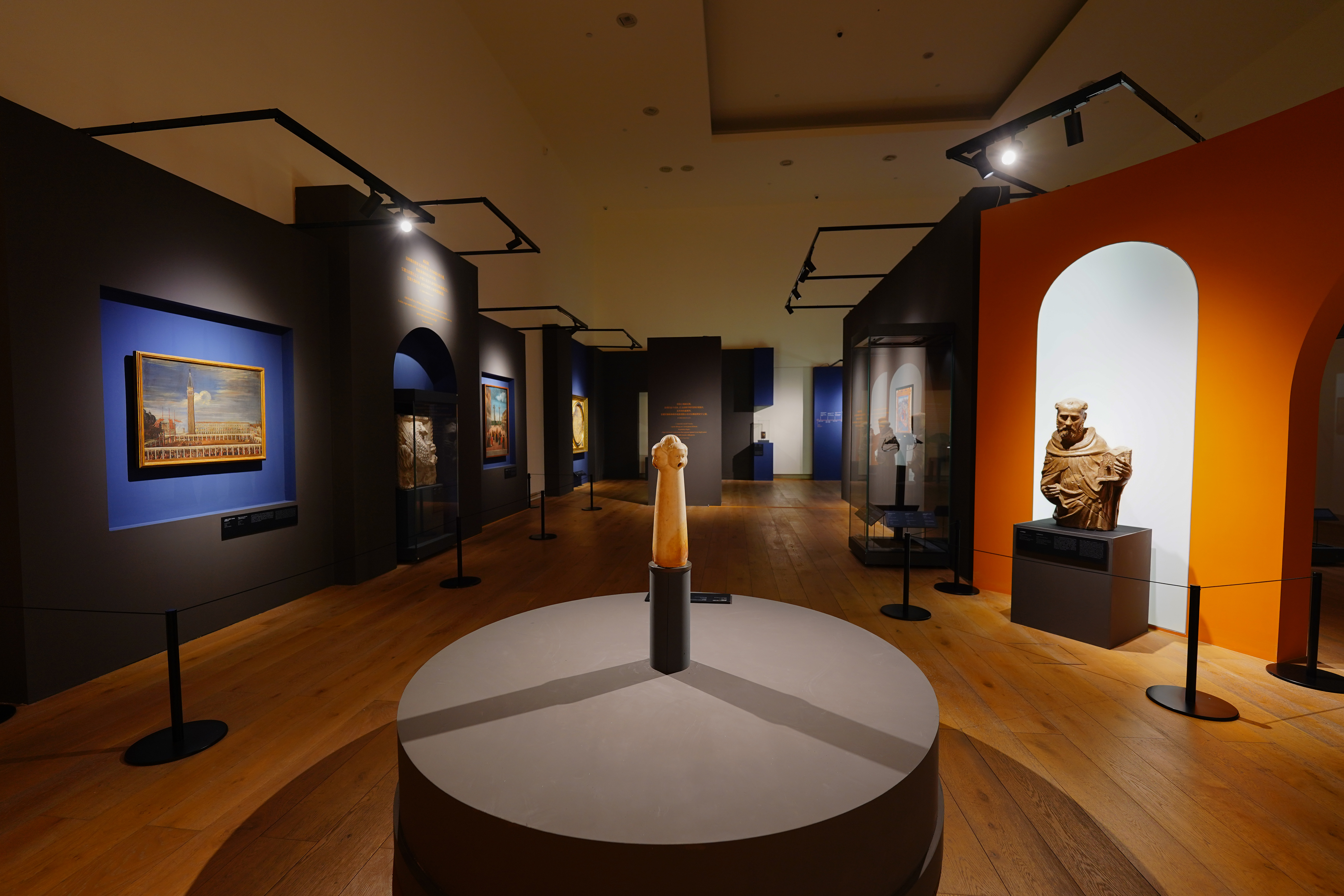
We come to the third episode of your “Chinese trilogy”: Palladio in China. A project you describe as a nearly unrepeatable “first.” What does it mean to bring Italian Renaissance architecture to China’s most important museum, and what has been generated around this exhibition?
The third selected episode of the Chinese trilogy is the first-ever exhibition project dedicated to Palladio in Asia: the major exhibition Geometry, Harmony, and Life: The Architecture of Andrea Palladio from Antiquity to Classicism, staged at the National Museum of China in Beijing. The initiative was born from an idea by Ambassador Ambrosetti, based on a scientific project by the International Center for the Study of the Architecture of Andrea Palladio / Palladio Museum in Vicenza (curated by Donata Battilotti, Guido Beltramini, and Fernando Marías) and the Istituto della Enciclopedia Italiana Treccani (Massimo Bray), with the collaboration of the Polytechnic of Turin. The exhibition highlights the Vicentine Renaissance architect’s global influence and invites reflection on his reception in China, attested as early as the presence of the Four Books of Architecture in Beijing.
The exhibition was inaugurated in February 2026 by Minister of Culture Alessandro Giuli and the Director General of Italian Museums Massimo Osanna, simultaneously with the exhibition dedicated to recent finds in Pompeii, Pompeii: An Eternal Discovery, promoted by the National Archaeological Museum of Naples and the Pompeii Archaeological Park, marking the close of the 55th anniversary of the establishment of diplomatic relations between Italy and China. This constitutes a near-unprecedented achievement: two major exhibitions presenting Italian art and culture inaugurated simultaneously at China’s foremost museum. This action carried immense symbolic and diplomatic weight, in addition to vast public visibility (the National Museum, overlooking Tiananmen Square, averages 21,000 visitors daily).
The Palladio exhibition will be followed by another project, Chinese Voices on Palladio, to be held at Tsinghua University in July 2026—one of the country’s oldest and most prestigious academic institutions. This project focuses on Palladian reinterpretations in contemporary Chinese architecture, featuring contributions from twelve leading Chinese architectural firms alongside an unpublished photographic series of Palladian architectures by American photographer Lois Conner. This confirms cultural diplomacy’s capacity to generate lasting scholarly impact across multiple levels of study and research. The project—curated for the Department of Architecture and Design of the Polytechnic of Turin by Michele Bonino, Pierre-Alain Croset, Giorgia Cestaro, and Edoardo Piccoli, and for Tsinghua University by Qing Feng and Li Luke—also includes an Italian section curated by Nuova Artemarea titled Palladio: Echoes in the Contemporary. It features works by Matteo Basilé, Davide Bramante, Luca Pozzi, Pietro Ruffo, and Davide Sebastian—artists who reinterpret Palladian language and principles through contemporary media and practices, offering new readings spanning memory, space, and technology. This project was announced at the Italian Cultural Institute in Beijing during Minister Giuli’s visit in February 2026 and was officially previewed on April 16, 2026, during the visit of Vice President of the Council and Minister of Foreign Affairs, Antonio Tajani, to Beijing. In the Chinese capital the following day, the Minister—alongside Chinese Minister of Culture and Tourism Sun Yeli and Uffizi Director Simone Verde—inaugurated the exhibition Homage to the Great Masters: From Leonardo da Vinci to Caravaggio – Masterpieces of the Italian Renaissance, previewed at the National Art Museum of China (NAMOC).
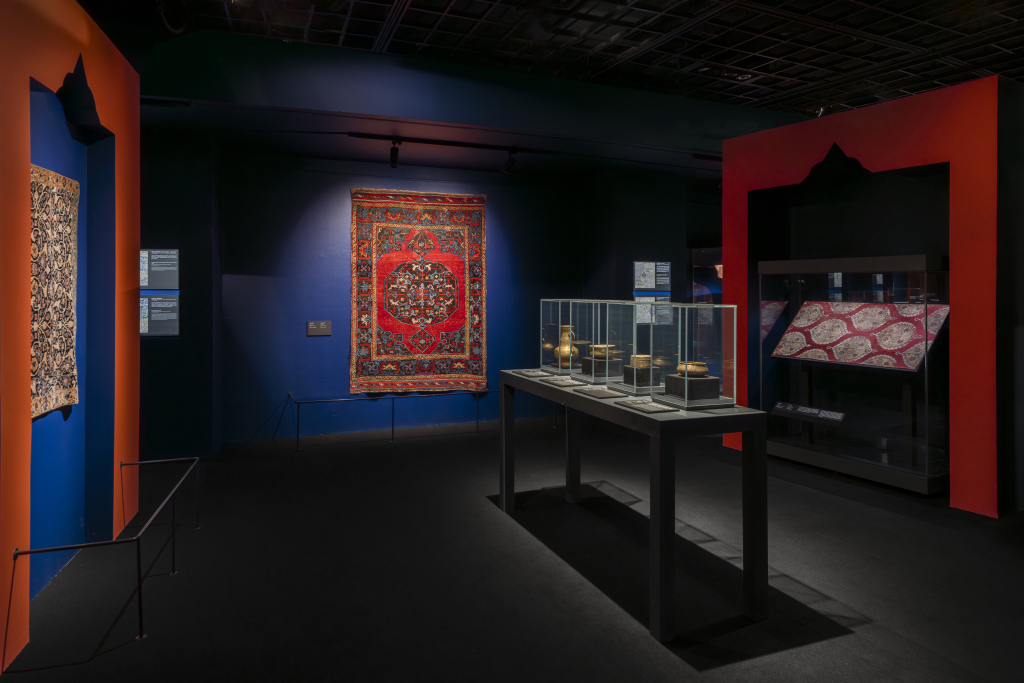
The picture emerging from your description is one of an Italian presence in Beijing that is extraordinary in both density and quality. Can you provide an overview of what can be seen today in the Chinese capital’s exhibition venues?
Considering the total array of Italian exhibition projects in Beijing, as of April 2026, over twelve projects—several of which are not mentioned here for space—are running simultaneously across various venues, covering an offering from antiquity to contemporary art. These are supplemented by exhibitions and residencies for Italian artists in Beijing promoted by the Embassy and the IIC, such as the Contemporary Developments project curated by Nuova Artemarea. Launched in the summer of 2025 with inaugural residencies by Enzo Cacciola and Vincenzo Mascia, the programme continues to welcome other artists through the summer of 2026. It includes exhibitions resulting from these residencies at the Italy China Academy Foundation gallery at Raffles City Beijing, as well as concurrent displays within the Embassy and the Institute.
And beyond Beijing, what is occurring in the rest of China in terms of Italian cultural presence?
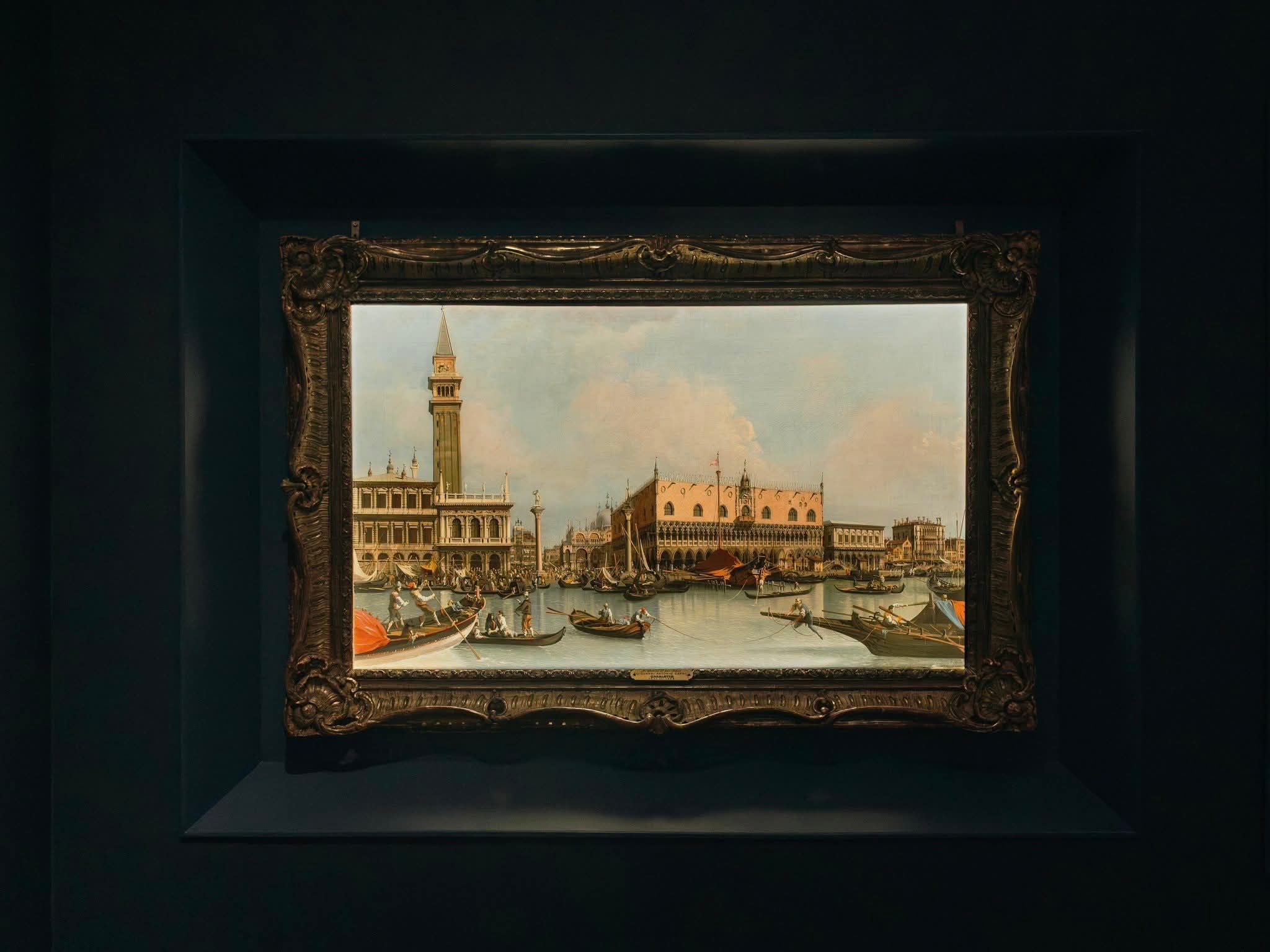
Broadening the scope to other Chinese cities, we should note several recently inaugurated exhibitions organised through Italian cultural diplomacy and involving other Italian museums: Wonderful Italy (Italia Meravigliosa), inaugurated on April 17 by Minister Tajani in Shanghai, celebrating Made in Italy excellence. Organised by the Consulate General of Italy in Shanghai with IIC support, it pays homage to Massimo Listri’s 2025 photographic volume of the same name published by Treccani. Additionally, there are the Italian sections of two exhibitions organised by Nuova Artemarea: Silk Roads Beyond Borders at the Poly MGM Museum in Macau—featuring an Italian section inaugurated on April 11 with 18th-century masterpieces by Canaletto and Michele Marieschi from the Fondazione Paolo e Carolina Zani of Brescia, under the patronage of the Consulate General in Hong Kong and Macau; and the Italian section of the exhibition Montage: From Dialectics to Dynamics in Hangzhou, inaugurated on April 9, 2026, at the China Academy of Art – China Design Museum, featuring loans of works by Superstudio and Aldo Rossi from the MAXXI Architecture and Contemporary Design Collection.
You have described an articulated and capillary system. What is the overall scope of this Italian presence in China, and which sectors could still be developed?
Italy is, in fact, China’s primary cultural partner. We have limited ourselves to examining fundamental examples of the activities of the last four Italian years in China, specifically regarding the arts and major exhibitions. However, we could do the same for music (classical and contemporary), the promotion of Italian Cuisine (inscribed as UNESCO Intangible Cultural Heritage on December 10, 2025), publishing—an immense field in China—and countless activities primarily supporting the spread of Italian language and culture. Cultural diplomacy plays a direct and fundamental role in the relationship between these two countries, fostering development, growth, and soft power for Italian activities in China and maintaining good relations between nations that both share a millenary history.
Italian cultural diplomacy does not end with China. What are the most significant European cases you have followed directly with Nuova Artemarea?
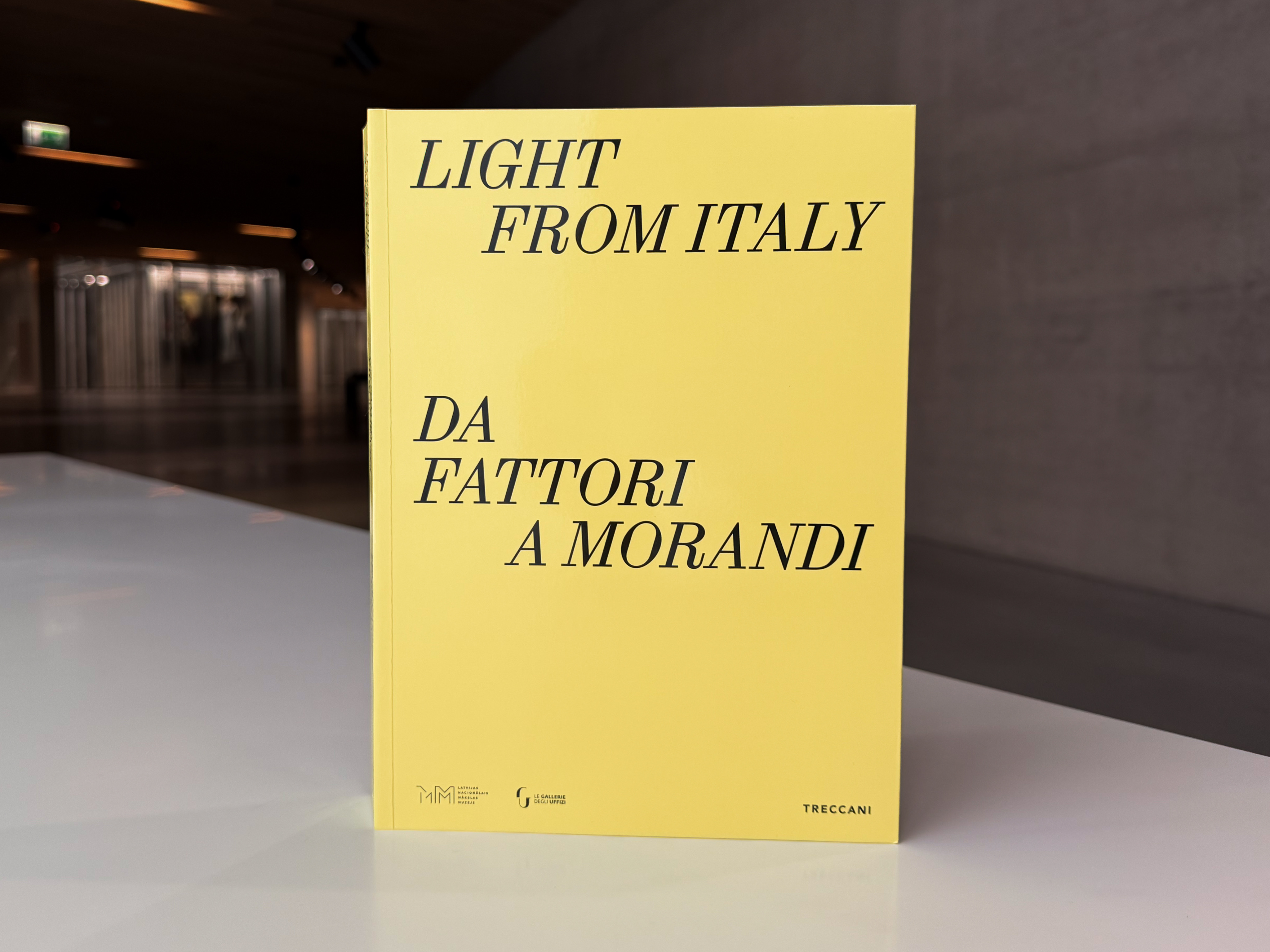
Alongside these Sino-Italian relations are other significant examples in the European sphere, which expand the operational perimeter of Italian cultural diplomacy and demonstrate its flexibility across vastly different geopolitical contexts. The first is the exhibition Light from Italy: From Fattori to Morandi, held at the Latvian National Museum of Art in Riga (July 5 – November 30, 2025), in collaboration with the Uffizi Galleries. It was conceived and developed over four years of systematic archival research conducted in parallel at both institutions, under the scientific and organisational direction of Nuova Artemarea.
The project—approved by Uffizi Director Simone Verde after being initiated during Eike Schmidt’s tenure—benefited from the scientific contributions of Elena Marconi (head of the 19th-century collections at the Gallery of Modern Art, Palazzo Pitti) and Vanessa Gavioli (current director of the Museum of Costume and Fashion at Palazzo Pitti), alongside myself and a Latvian team including Astrida Rogule and Aija Braslina.
Supported by the Latvian Ministry of Culture, the Municipality of Riga, and the Italian Embassy in Riga, the exhibition documented the intense yet little-known aesthetic exchanges between Italy and Latvia from the mid-19th century to the 1930s—periods in which Latvia underwent phases of political independence and Riga served as a primary cultural crossroads linked to Hanseatic traditions but open to influences from Russia, Germany, France, and Italy. Numerous Latvian artists undertook formative stays in Italy, absorbing the lessons of classical painting and bringing back a peculiar aesthetic sensitivity expressed through the categories of Northern atmosphericism. A striking case in point is Carrara marble, which under the cold Baltic light takes on chromatic qualities radically different from those it displays in Mediterranean settings, steering material and stylistic choices in new directions. The project also reconstructed a 1930s “proto-cultural diplomacy” exhibition promoted by committees featuring figures like Arduino Colasanti and Ugo Ojetti, which brought a selection of Italian works focused on landscape—a privileged topos of cultural exchange—to the Baltic states.
Regarding the display, the exhibition utilised contributions from Artūrs Analts, considered the most important contemporary Latvian architect and a recent winner of the London Design Festival Prize, whose involvement further elevated the international profile. The loan of eighty works from the Uffizi—including masterpieces by Giovanni Fattori, Carlo Carrà, and Giorgio Morandi—represented one of the Florentine institution’s most significant loans and assumed a symbolic value in the current geopolitical context that transcends the purely cultural. In a country that shares a symbolic border with an active war front, and that has lived for years under acute geopolitical tension, the Uffizi’s decision to lend works of such importance sent an unambiguous message of European solidarity. The presence of Italian art on Latvian soil was perceived by the local community as a concrete form of recognition and belonging to Europe. The exhibition attracted between 50,000 and 60,000 visitors—a remarkable figure for a country of Latvia’s size—and received diplomatic recognition from Minister Antonio Tajani, who fully grasped its political scope with a text in the trilingual catalogue (Italian, Latvian, English) published by Treccani and edited by myself, featuring contributions from numerous institutional figures and international scholars from both countries.
Let us move to the second European case, which seems particularly interesting for its sustainability and replicability. What does it entail?
The second European case concerns a structural and replicable cultural diplomacy practice at a relatively low cost compared to major international exhibitions: the transformation of diplomatic offices into permanent exhibition spaces dedicated to contemporary Italian art. This model—successfully tested by countries like Switzerland and, in a different manner, the United States through the Art in Embassies programme—finds an illustrious Italian precedent in the Farnesina Collection, one of the most relevant collections of contemporary Italian art managed by MAECI.
The experience conducted by Nuova Artemarea at the Italian Embassy in Vilnius—thanks to the involvement of Italian Ambassador to Lithuania Emanuele de Maigret— demonstrates how a diplomatic premises, serving as a showcase for art history, can be transformed into a fully-fledged cultural hub. It can be opened to visitors, conferences, academic meetings, and institutional appointments, hosting not only Italian works but also Lithuanian productions in a spirit of reciprocal exchange that strengthens its function as a dialogical space. In medium-to-small countries, where the concentration of cultural, academic, and diplomatic elites favours the rapid creation of networks, this model is particularly effective in positioning Italy as both a promoter and a host of culture. This goes beyond the one-way logic of cultural promotion towards a more mature and reciprocal model of international cultural exchange. On these grounds, Art in the Embassy: Contemporary Italy in Vilnius was born, inaugurated on October 3, 2024, at the Italian Embassy in Vilnius as part of the 20th Contemporary Art Day and concurrently with the 15th edition of ArtVilnius. Promoted by the Embassy and the IIC Vilnius, the exhibition—curated by myself with Daniele Crippa and Manuela Valentini—brings together 45 works by 42 Italian artists from the 1950s to the present, many of whom are also in the Farnesina Collection. It juxtaposes historicised masters and central figures of the late 20th century—from Carla Accardi to Mario Schifano—alongside eclectic personalities like Bruno Munari and Concetto Pozzati, and contemporary figures such as Renata Boero, Federica Marangoni, Bruno Ceccobelli, Luigi Ontani, Omar Galliani, Flavio Favelli, Lorenzo Puglisi, Francesca Pasquali, Daniele Sigalot, and others. These are joined by Lithuanian artists through various projects promoted by the Embassy. Furthermore, the Lithuanian capital hosted the exhibition Identity Beyond Borders at the IIC Vilnius—the second stop of the exhibition curated by Benedetta Carpi De Resmini, which starting in September 2025 celebrated 25 years of the Farnesina contemporary art collection.
There is also a role for Italian regions in this system. Can you give a concrete example of how the Italian territory integrates into cultural diplomacy strategies?
In this context of promoting Italian art abroad, we should mention the contribution and support of Italian regions. This was the case for the exhibition The Cascella Family: Beyond Time, organised at the Italian Cultural Institute in Madrid (September 26, 2025 – January 17, 2026), with the support of the Embassy in Madrid, the Regional Council of Abruzzo, and the patronage of MAECI. The exhibition—organised on a scientific project by Nuova Artemarea and curated by myself with the coordination of the Associazione Casa Abruzzo in Spain— traces the singular, ever-evolving history of the Cascella family: five generations of Italian artists who, beginning with the dynasty’s founder Basilio Cascella (born in Pescara in 1860), took part in every significant development in avant-garde art over the past 150 years.
The exhibition—the first to bring the Cascella dynasty abroad via an organic study—saw the publication of a research catalogue by Treccani in three languages (Italian, Spanish, English), featuring contributions from Elena Pontiggia, curator of the general catalogue of Pietro Cascella, among others. It was realized as part of a project to promote the Abruzzo region in Spain, with several joint initiatives for the tourism and cultural enhancement of their respective territories.
Gazzetta Antiquaria also addresses gallerists and art market operators. What does cultural diplomacy concretely offer those working in the antiquarian and collecting sector?
Regarding opportunities for private art market operators—antiquarian galleries in particular—cultural diplomacy offers a privileged entry point to markets that are otherwise difficult to penetrate through ordinary commercial channels. Participation in institutional exhibition projects, even solely as lenders of works, ensures scientific and diplomatic legitimisation, which in some contexts is an indispensable prerequisite for being received with credibility. Being part of a project accompanied by an international scientific catalogue, a committee of recognized experts, and ministerial patronage offers participating galleries a valuation of their heritage that goes far beyond immediate visibility, producing lasting effects in terms of academic reputation and access to institutional networks that would otherwise be nearly inaccessible.
The Chinese market is often perceived by Italian operators as distant and inscrutable. Knowing it from the inside, how does high-level Chinese collecting truly function, and where are the opportunities for Italian art?
In this sense, the Chinese market represents the most complex yet promising case. Over the past fifteen years, there has been a gradual shift in Chinese collecting interest—which had expanded to encompass European art between the early 2000s and roughly 2015—back toward a concentration on domestic cultural production. This parallels a broader process of identity assertion across media, payment systems, and creative industries. Nevertheless, the vastness and internal diversification of the Chinese market offer specific niches of interest that vary considerably from city to city: Tianjin stands out for its pronounced interest in Italian design; Hangzhou displays a taste for both design and landscape painting, in keeping with its pictorial tradition dating back to the Yuan dynasty; Chengdu favour classical antiquity with Greco-Roman roots; Chongqing directs its interest toward sectors linked to industrial and technological production; and finally, Shenzhen is a city rapidly evolving toward future-oriented cultural models. Every Chinese city, as one might imagine, also nurtures a profound interest in ancient and Renaissance Italian art. This fragmentation requires precise analysis of local contexts and specialised cultural mediation capable of translating Italian excellence into a language that is intelligible and attractive to interlocutors with vastly different backgrounds and sensibilities.
Is there something that profoundly distinguishes the Chinese collector from the European or American in their approach to a work of art?
A defining characteristic of high-level Chinese collecting is the meticulous attention paid to documented provenance and to the iconological and symbolic resonance of works. Potential Chinese buyers—be they museum institutions or private collectors—often form internal selection committees, independently verify bibliographies and collecting history, and show a marked preference for works with strong symbolic resonance.
The case of Canaletto is emblematic. His views of the San Marco Basin are sought after not only for their pictorial quality but because the image of water as a place of arrival and departure evokes the Maritime Silk Road, condensing the memory of exchanges between East and West into a single aesthetic and historical vision. This iconological dimension, which Western culture has largely lost sight of, remains deeply embedded in Chinese sensibility and requires—to be properly understood and given its due weight both commercially and culturally—the involvement of specialists able to mediate between the two cultural frameworks.
In this context, the translation and dissemination of scientific volumes in the Chinese language through institutionally guaranteed editorial channels represents a complementary tool of cultural penetration that is extraordinarily effective.
The reach of Chinese publishing, when supported by adequate distribution and a credible institutional imprimatur, enables simultaneous access to universities, museums, private foundations, and collecting networks. This results in impacts that are potentially more lasting and widespread than those generated by the exhibition dimension alone.
Chinese university professors who come into contact with Italian scientific production through translated texts often become, over time, the primary advisors to the founders of cultural foundations and private collectors. To engage with this tier of the educational chain is to invest in a long-term cultural presence—one that is difficult to dislodge and extraordinarily productive in terms of both cultural influence and market reach.
In conclusion, how would you define Italian cultural diplomacy today? A service to the nation, a strategic tool, or something more?
From this perspective, cultural diplomacy emerges not merely as a tool for promoting Italy abroad, but as a strategic lever for growth and development. It is capable of activating lasting processes of cooperation, fostering the circulation of knowledge, and contributing to the building of stable relationships between cultural, economic, and institutional systems.
11 May 2026