
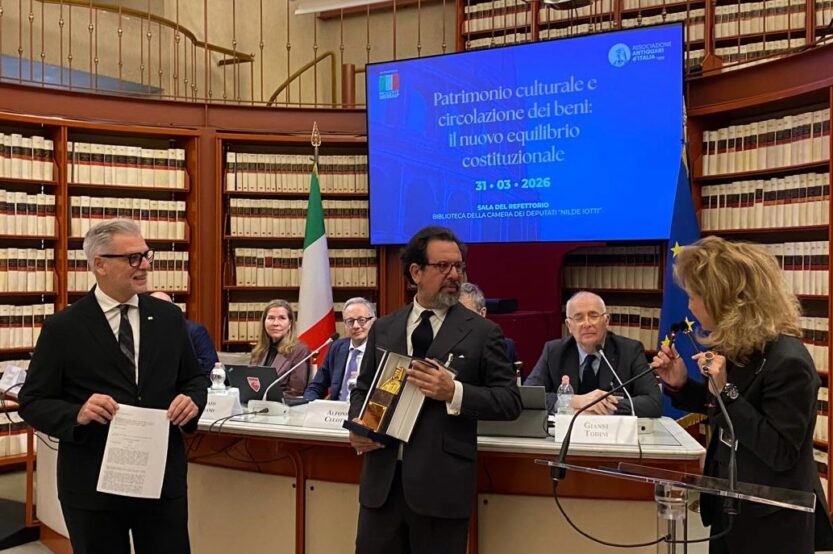
As the curtain falls on TEFAF, Italy on stage readies itself for a new evolutionary chapter in the life of its cultural heritage. Every March, Maastricht transforms into a true caput mundi of the art market—a nexus where the private realm of galleries, collectors, and connoisseurs meets the public sphere, embodied by elite representatives of museums and institutions who observe, select, acquire, and announce. Against this backdrop, during the fair’s most exclusive opening days, the Hon. Federico Mollicone took the floor to outline forthcoming changes following the Senate’s second-session approval of the “Italia in Scena” bill on March 11th. Addressing these developments from the “rostrum” of the Dutch forum—as one might imagine—is tantamount to acknowledging a direct impact on European and global market flows. Yet, it also signifies a noteworthy synthesis: the merging of official public communications with private events, bringing both dimensions together under the umbrella of the art market. These are categories not always inclined toward the peaceful, mutually beneficial dialogue found within this ephemeral agora of luxury.
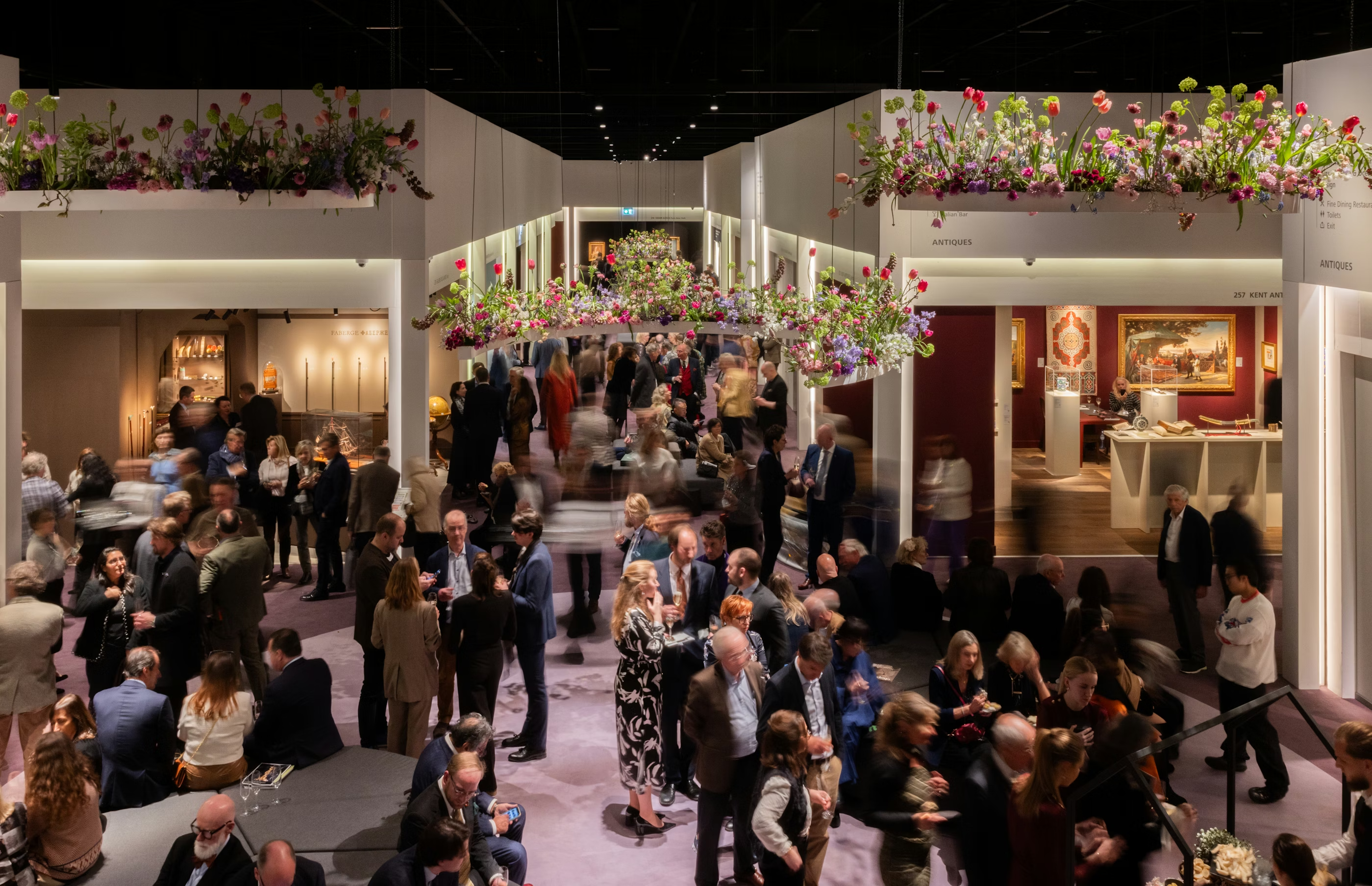
Enhancing the meeting amid the visual vertigo of the stands arranged in their Hippodamian grid — with floral arrangements standing in for the oases at each crossing of cardo and decumanus —was a program of cultural interventions that carried significant weight for future prognostications. It was here that a detail not yet explicit in the bill was teased:
“We want to provide works of art with a ‘passport’ containing all essential elements for identification, such as traceability, authenticity, and provenance, thereby ensuring free circulation within Europe,” declared President Federico Mollicone. “An inviolable document and a modern certification tool designed to protect both buyers and sellers, it is set to revolutionize the methodologies of archives and foundations.”To be fair, the innovations introduced by the bill are manifold and structured across several levels: from the creation of a digital registry for national heritage to the establishment of a “register of subsidiarity.” However, in light of current interests, it is pertinent to investigate deeply the amendments to the Code of Cultural Heritage that will directly impact the art market in the strictest sense—affecting the lives of collectors, auction houses, gallery directors, and superintendency officials—and, by extension, the entire European and global market landscape. Specifically, these are found within the seven paragraphs of Article 4 of the bill, concerning “further amendments to the code of cultural heritage and landscape and provisions regarding the simplification of art loans, as well as the competitiveness of the art market and the national museum system.”
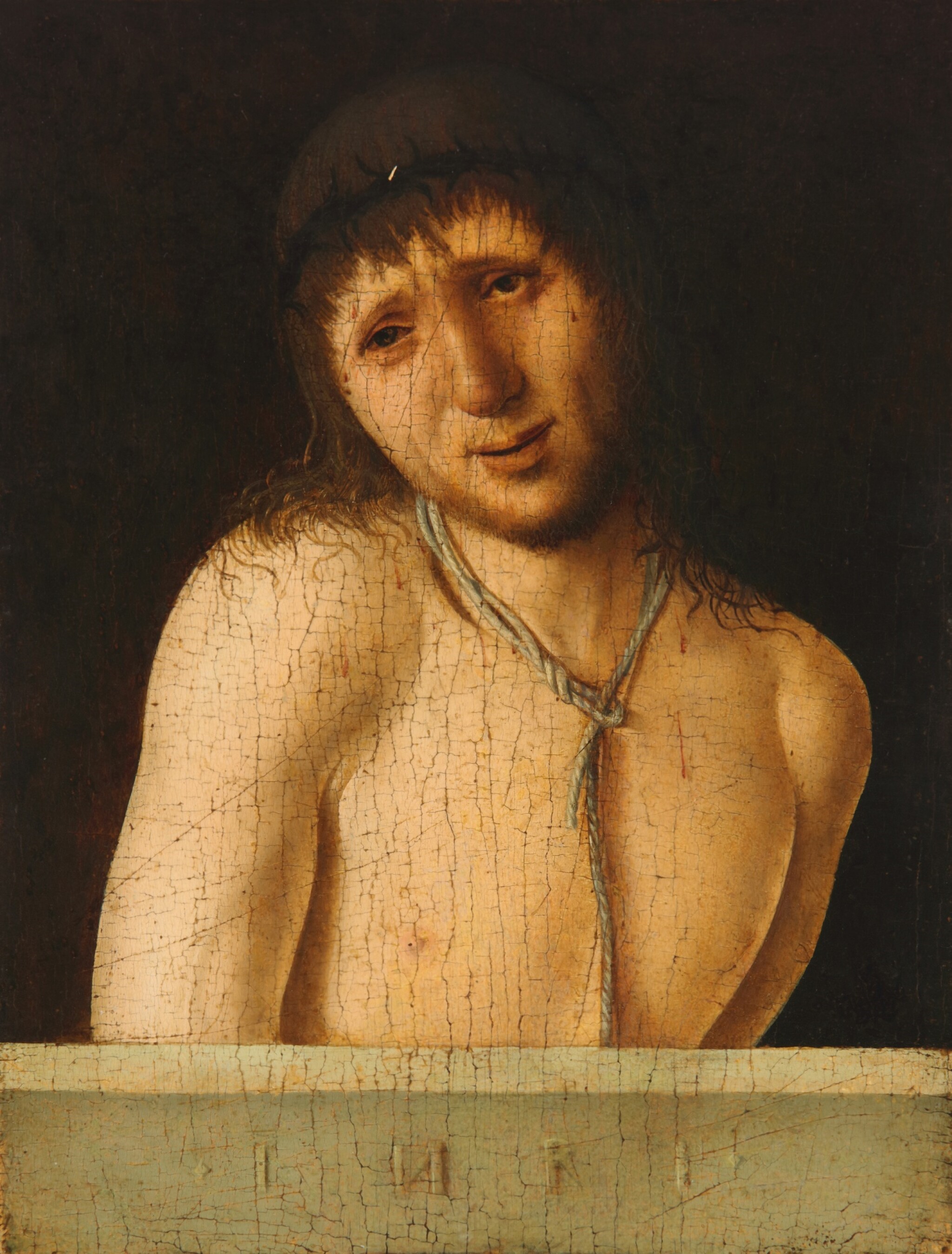
Resonating through the hall, first and foremost, is the news of a decisive increase in the national value threshold below which the free circulation of artworks will be automatically granted (subject to declaration, of course). In Italy, this ceiling had been cautiously set at a flat value of €13,500 (it is worth noting: for works older than seventy years by deceased authors, excluding archaeological finds, dismembered monuments, incunabula, and manuscripts). It will now be raised to €50,000 (maintaining the aforementioned exceptions), though still without the categorization based on the type of asset. This latter measure has long been applied in France—a virtuous protagonist in the sector—where thresholds vary from €300,000 for paintings to a minimum of €3,000 for manuscripts and incunabula, with tiered values for sculptures, drawings, and photographs. While the magnitude of this leap may seem relative in comparative terms, in absolute terms, the maneuver will have an immediate effect on the gears of the market, facilitating the liberalization of the market long championed by the Apollo Group, led by Alessandra di Castro, and the entire membership of the Associazione Antiquari d’Italia.
It is not only economic values that are shifting, but temporal ones as well: self-certifications for the export of under-threshold goods will now be valid for five years, up from the previous six months. Naturally, these doors swing both ways: as exports are eased, the entry of goods from other countries is also incentivized by guaranteeing a Certificate of Temporary Importation or Shipment (CAI/CAS) for all requests. On this specific point, Bruno Botticelli highlighted in a recent parliamentary intervention the importance of attracting high-value assets to Italy, lured by the virtuous cycle of VAT rates:”I consider it a priority to streamline entry and exit procedures for artworks belonging to foreign collections or entities. The certainty of re-exportability is the sine qua non for new residents and international collectors to bring their works to our country, fostering the possibility that, in the future, such assets might even be donated to our museums.”
Turning to the controversial field of “notification” (the declaration of cultural interest), the bill intervenes to curb its potential misuse. From now on, regarding requests for artifacts by foreign authors, Ministry offices will no longer be able to initiate the declaration process unless the superintendency offices can demonstrate a direct, significant link between the work or the artist and the nation’s cultural history.
Furthermore, a new right is established for the applicant: the possibility to withdraw an export request before a final decision is reached, thereby preventing the work from becoming subject to a cultural interest declaration (vincolo). In cases where an asset has already been officially notified, new measures are introduced to facilitate its movement—at least within national borders—where a simple communication will now suffice. Regarding art loans, particularly those addressing the needs of various exhibitions and showcases, the reform mandates that offices must issue a peremptory response to requests within a strict ninety-day deadline.
9 April 2026